Pixel 10 Pro Fold
Ranked #33 of 42 devices tested
Score Overview
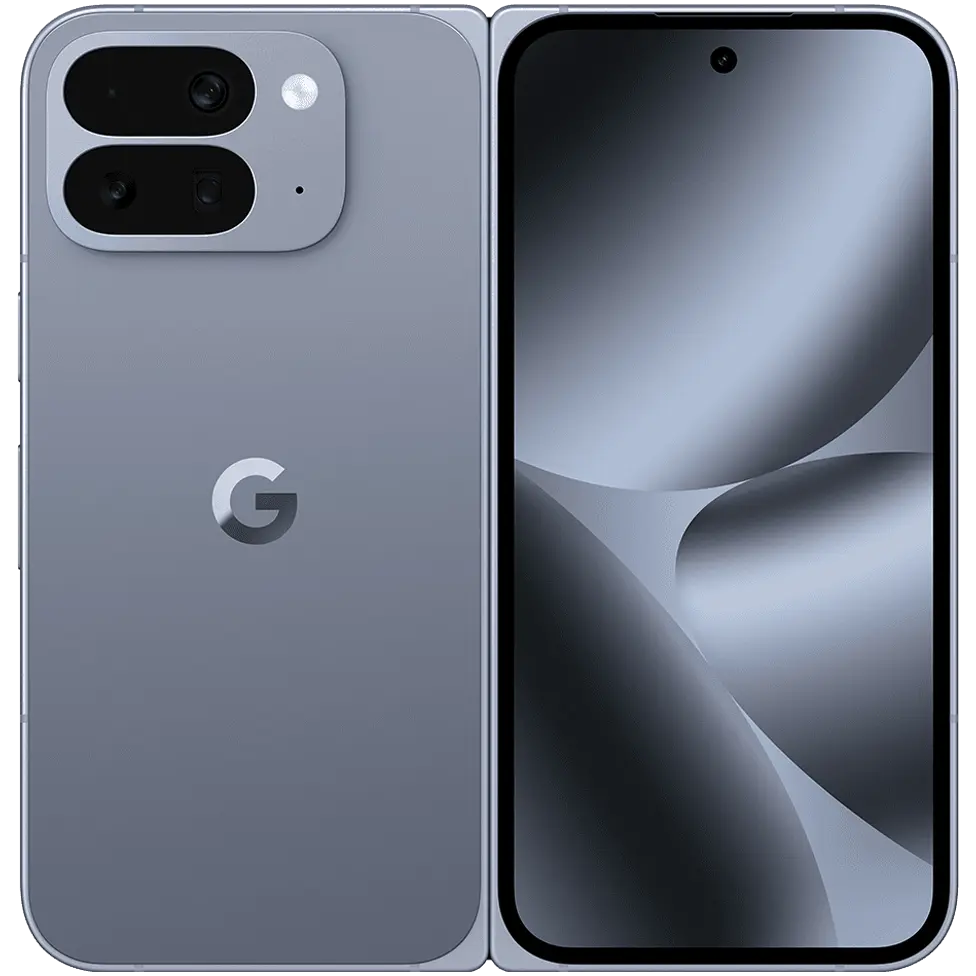
The Google Pixel 10 Pro Fold is Google's second-generation foldable, priced at $1,799. It pairs an 8-inch LTPO OLED inner display with a cover screen, runs the Google Tensor G5 chipset with 16GB of RAM, and carries a 5,015mAh battery. The camera system includes a 48-megapixel f/1.7 main sensor, a 10.5-megapixel ultrawide, a 10.8-megapixel 5x telephoto, and two 10-megapixel front cameras — one on each screen.
The Pixel 10 Pro Fold's strongest showing is its display, particularly the inner panel's color accuracy and brightness. The speakers also perform well. Battery life is below average for the price, and performance from the Tensor G5 trails foldable competitors running Snapdragon silicon by a wide margin. The camera system is functional but falls short of both the Pixel 10 Pro XL's slab cameras and competing foldables like the Samsung Galaxy Z Fold 7 in dynamic range. At $1,799, it sits in a difficult position — $200 less than the Galaxy Z Fold 7 but with meaningful compromises in performance, battery, and camera output.
Design
Specifications
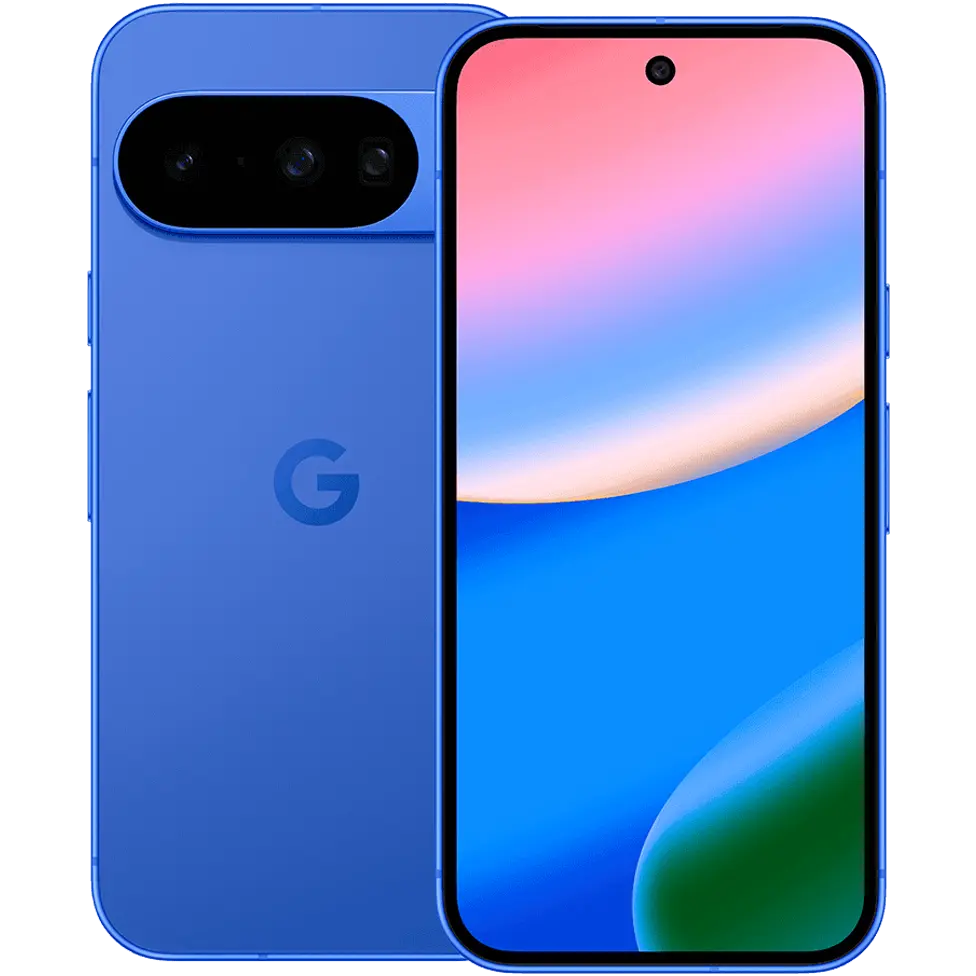
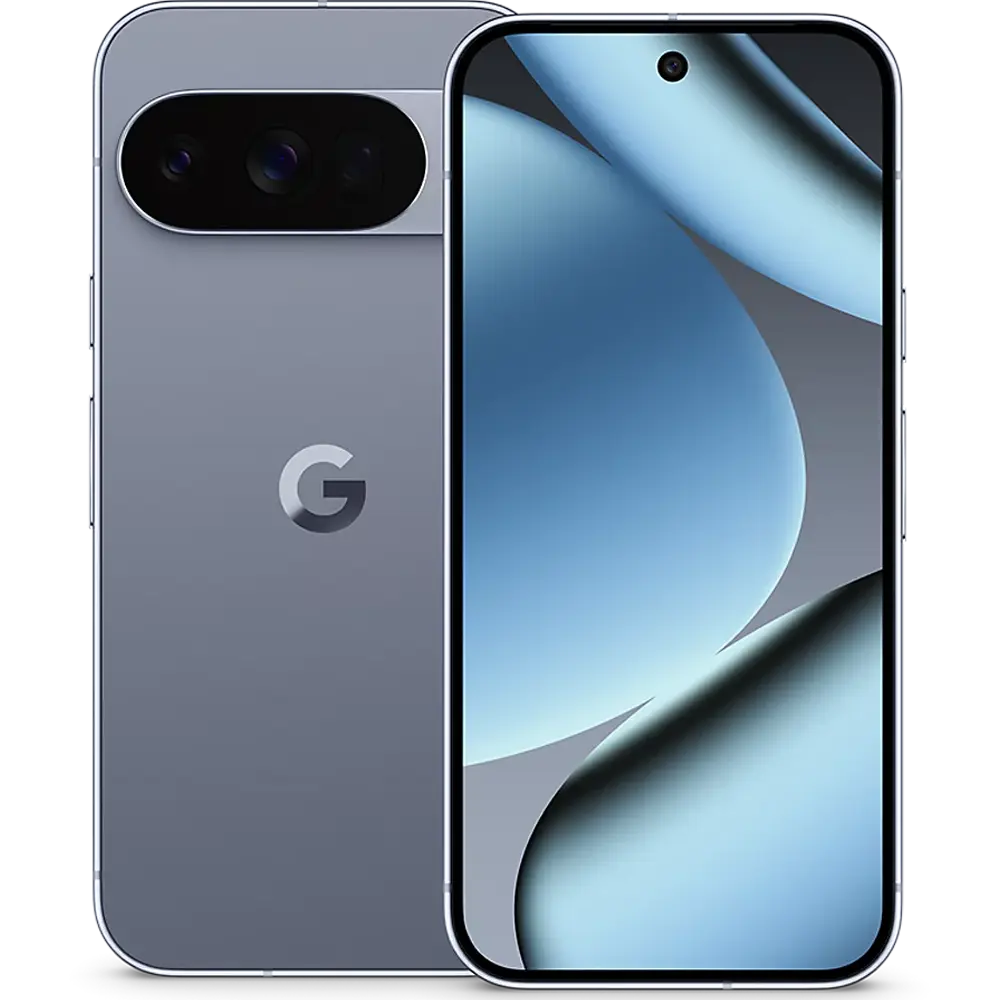
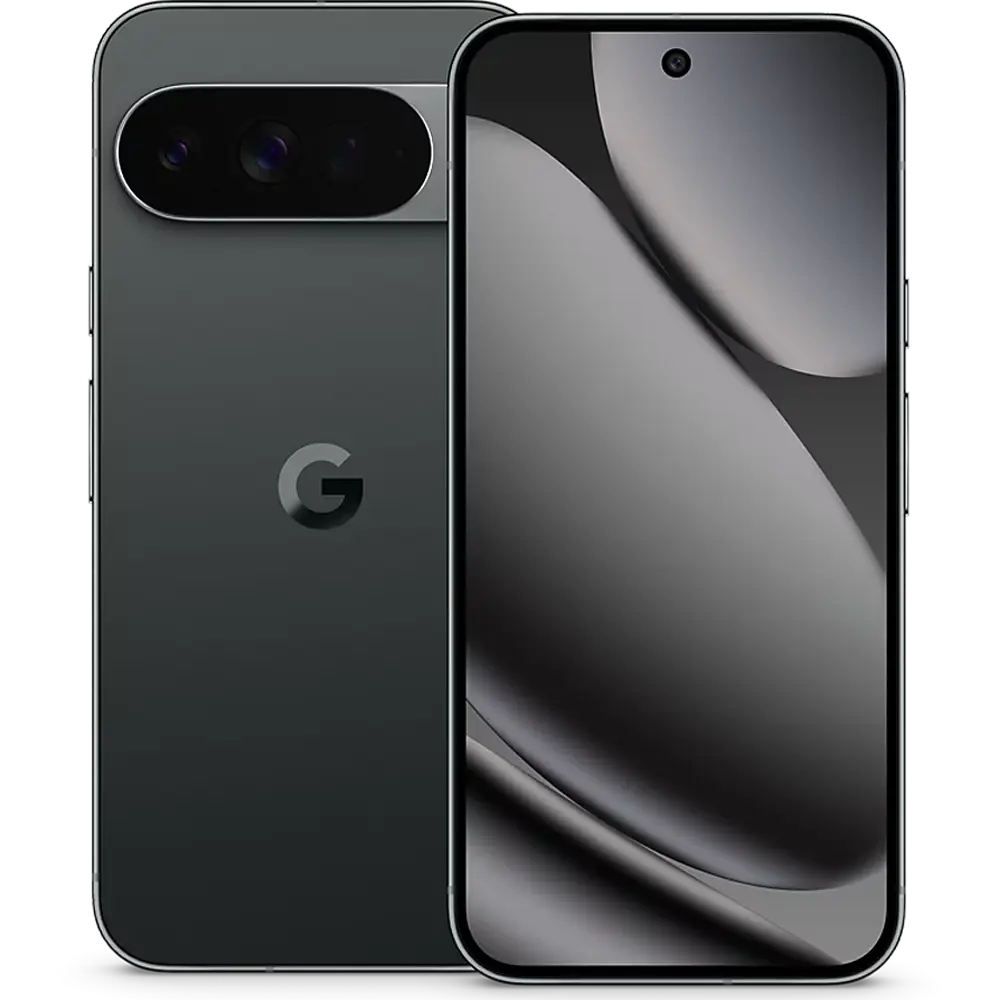
The Pixel 10 Pro Fold measures 155.2 x 76.3 x 10.8mm folded and weighs 258 grams. It uses an aluminum frame with Ultra Thin Glass on the inner 8.0-inch display and Gorilla Glass Victus 2 on the 6.4-inch outer display and the back panel. The inner display has a 9.33:9 aspect ratio and an 88.4% screen-to-body ratio; the outer display has a 19.7:9 aspect ratio and an 84.3% screen-to-body ratio. An IP68 rating covers full dust ingress and fresh-water submersion beyond 1 meter, which is unusual on book-style foldables — with depth and duration set by Google. Bandicoot Lab does not formally test design or durability, so this section is descriptive rather than scored.
At 258 grams the Pixel 10 Pro Fold is heavier than most book-style foldables. The Samsung Galaxy Z Fold 7 at $1,999.99 is substantially lighter at 215 grams and thinner at 8.9mm folded, with a larger 6.5-inch outer display that feels closer to a standard phone when closed. The Honor Magic V5 at $1,999.99 splits the difference at 217 grams and 8.8mm folded. The Pixel 10 Pro Fold's advantage is its IP68 rating, since both the Z Fold 7 and Magic V5 carry IP48 or IP58/IP59 ratings, which are designed more for light water exposure than full submersion.
Display
Inner
The inner display is an 8-inch LTPO OLED panel running at 2076 x 2152 resolution (373 PPI) with a 1–120Hz adaptive refresh rate. In Natural mode, it achieves an average Delta E of 1.16 against an sRGB target, with a max Delta E of 2.46 — meaning colors are very close to their reference values across the board, with no individual shade drifting noticeably. That's a strong result, better than both the Samsung Galaxy Z Fold 7's inner panel and the OnePlus Open. The panel covers 99.69% of sRGB and 74.79% of Display P3.
Brightness is solid. Max manual brightness reaches 1,287 nits, and HDR content can peak at 3,192 nits — though that brightness dims to about 60% depending on the window size. Brightness stability under sustained use is 96.51%, which means it retains its brightness over time. Minimum brightness goes down to 1.96 nits, adequate for dark-room use.
Touch latency on the inner display averages 25.3ms. That's noticeably higher than the Galaxy Z Fold 7's inner panel at 8.8ms. In practice, users won't perceive this difference.
Display Gamut Coverage
Sustained Brightness
HDR Brightness
HDR Tone Mapping
Outer
The outer display scores lower across the board but remains competent. Color accuracy in Natural mode comes in at an average Delta E of 1.33 with a max of 3.8 — still good, but a step down from the inner panel. Some shades, particularly at the extremes, drift a bit more from their true values. Gamut coverage is nearly identical at 99.35% sRGB and 74.03% Display P3.
Max manual brightness is higher than the inner display at 1,411 nits, with HDR peaks reaching 2,836 nits. Brightness stability is slightly better at 97.92%. Minimum brightness is 1.87 nits. Touch latency improves significantly at 13.3ms.
Display Gamut Coverage
Sustained Brightness
HDR Brightness
HDR Tone Mapping
Performance
The Pixel 10 Pro Fold runs the Google Tensor G5 with 16GB of RAM. Geekbench 6 returns 2,268 single-core and 5,986 multi-core. Those numbers are a meaningful step up from the OnePlus Open's Snapdragon 8 Gen 2, but fall well behind the Galaxy Z Fold 7's Snapdragon 8 Elite. For everyday tasks — app launching, multitasking across the large inner display — the Tensor G5 is adequate, but users pushing demanding workflows will notice the gap.
GPU performance is the more significant weak point. The 3DMark Wild Life Extreme stress test peaked at 3,241, with a worst-loop score of 2,496 and 77% stability. The stability figure is actually better than the Galaxy Z Fold 7 and OnePlus Open, meaning the Tensor G5 throttles less aggressively, but its peak output is roughly half that of the Snapdragon 8 Elite's 6,615.
Browser performance via Speedometer came in at 20.3 — behind the Galaxy Z Fold 7's 32.3 and well behind Snapdragon 8 Elite Gen 5 devices, but nearly double the OnePlus Open's 11.4.
Performance Benchmarks
Bars positioned relative to the best score in our database.
Wild Life Extreme Stress Test
Camera
The camera system uses a 48-megapixel f/1.7 main camera with a 1/2.0" sensor, a 10.5-megapixel f/2.2 ultrawide, a 10.8-megapixel f/3.1 5x telephoto, and two 10-megapixel f/2.2 front cameras. The sensor sizes across the board are smaller than what you'd find on the Pixel 10 Pro XL, for example. This matters for light gathering and detail retention, especially in challenging conditions.
Sharpness at the main 1x focal length is solid in bright and mid-light, competitive with the OnePlus Open and close to the Galaxy Z Fold 7 in processed output. The gap widens in low light. At deeper zoom levels, the picture is mixed. At 5x (the telephoto's native focal length), sharpness holds up reasonably well in good light but drops off in mid and dark conditions. The 10x output remains usable, but by 20x — the phone's maximum zoom — detail drops sharply. The Pixel 10 Pro XL, with its higher-resolution telephoto sensor, maintains meaningfully more detail at comparable zoom levels.
Camera Sharpness
Main
The 48-megapixel f/1.7 main camera with a 25mm equivalent focal length produces good sharpness in bright and mid-light conditions, with processed output that's competitive within the foldable category. In low light, processed images still hold up, though with heavier sharpening — overshoot values climb noticeably.
Color accuracy in auto mode shows Google's processing preference for vivid, saturated output. Bright-light shots push saturation well above reference values, and skin tones run warm with a noticeable yellow-green shift. In mid-light (tested at 4000K), saturation increases further, and skin tones show significant deviation from their true appearance. In low light (3000K), hue shifts become more pronounced, with colors rotating toward magenta-red — partly from the sensor's behavior at higher ISO, and partly from incomplete correction of the warm ambient light.
Dynamic range in auto mode captures below average range. The OnePlus Open pulls significantly more range from its main camera, and the Galaxy Z Fold 7 manages a little more with better tonal compression. Highlights clip in the Pixel's auto mode, meaning bright areas lose detail.
Color Profile
Dynamic Range
Ultrawide
The 10.5-megapixel f/2.2 ultrawide with a 13mm equivalent focal length produces decent sharpness in good light but is limited by its low resolution. The 1/3.4" sensor is small, and in mid and low light, noise climbs quickly in raw files.
Color processing follows the same vivid approach as the main camera. Bright-light auto shots push saturation above reference and introduce a warm bias. In low light, hue accuracy degrades substantially — colors shift heavily toward magenta, a pattern consistent with the sensor struggling at higher gain and the processing pipeline not fully compensating for the warm test illuminant.
Dynamic range is slightly better than the main camera in auto mode. The ultrawide clips highlights similarly, but the additional range gives a bit more flexibility in high-contrast scenes. It still falls well short of the OnePlus Open's ultrawide dynamic range.
Color Profile
Dynamic Range
Telephoto
The 10.8-megapixel f/3.1 telephoto provides 5x optical zoom with a 112mm equivalent focal length and a 1/3.2" sensor. Sharpness at native 5x is reasonable in bright light but drops in mid and low light more than you'd see from higher-resolution telephoto sensors like the Pixel 10 Pro XL's 48-megapixel unit. There's also noticeable sharpening overshoot in processed mid and low-light shots.
Color accuracy follows the same pattern as the other lenses — vivid auto processing with strong saturation boosts, particularly in bright and mid-light. Skin tones in auto mode are pushed considerably warm. In low light, hue errors become more pronounced, with a strong magenta shift.
Dynamic range is narrower than the main and ultrawide cameras. Highlights clip, and the compression is relatively aggressive. Video stabilization on the telephoto is average for the category.
Color Profile
Dynamic Range
Front Inner
The inner front camera is a 10-megapixel f/2.2 unit with a 23mm equivalent focal length. Sharpness is reasonable in good light, with processed output that competes with or slightly exceeds the Galaxy Z Fold 7's inner selfie camera. In low light, detail retention drops.
Color accuracy in bright-light auto mode shows heavy saturation boosting and a noticeable warm/yellow shift in skin tones. Mid-light shots show a similar pattern. In low light, hue accuracy degrades significantly, with strong magenta rotation — this is partly attributable to the sensor's response at higher ISO and partly to how the processing handles the warm 3000K test illuminant.
Dynamic range is adequate for selfies, with highlights clipping at the extremes.
Color Profile
Dynamic Range
Front Outer
The outer front camera shares the same 10-megapixel f/2.2 specs and performs similarly to the inner unit. Sharpness tested marginally lower, with slightly less detail in low-light raw files but comparable processed output.
Color accuracy tracks closely with the inner camera. Bright-light raw files are slightly more accurate, with a Delta E of 3.12 and well-controlled skin tones. Auto mode applies the same heavy saturation boost. Low-light auto shots exhibit the same magenta hue shift seen on the inner camera, with hue errors climbing substantially.
Dynamic range is slightly narrower than the inner front camera.
Color Profile
Dynamic Range
Battery
The Pixel 10 Pro Fold carries a 5,015mAh battery. Video playback at 200 nits lasts 23 hours and 30 minutes on the outer display and 22 hours 41 minutes on the inner display — reasonable longevity but not exceptional. The Galaxy Z Fold 7 manages over 28 hours on its outer screen and similar inner-screen time despite a smaller 4,400mAh cell, indicating the Z Fold 7 is more power-efficient. At max brightness, the inner display drops to under 16 hours, and the outer to about 20 hours 38 minutes.
Web browsing over 5 hours drained 29% of the battery — slightly worse than the OnePlus Open (28%) and meaningfully worse than the Galaxy Z Fold 7 (34%, but from a smaller battery). Gaming drain was 26% during the stress test, which is reasonable and better than the OnePlus Open's 31% and close to the Galaxy Z Fold 7's 23%. Standby drain was a very low 2% over 8 hours — matching the Galaxy Z Fold 7 and half the OnePlus Open's 4%.
In practical terms, the battery will get most users through a full day of mixed use on a single charge, but heavy users — particularly those using the inner display extensively — may need to top up by evening. The efficiency gap versus the Z Fold 7 is notable given the Pixel's larger battery.
Battery Life
Charging
Wired charging is rated at 30W. After 10 minutes on the charger, the battery reaches 19%; after 30 minutes, 52%. That's nearly identical to the Galaxy Z Fold 7's 25W charger (19% at 10 minutes, 53% at 30 minutes), despite the Pixel's nominally higher wattage. Both are far behind the OnePlus Open's 67W charging, which reaches 83% in 30 minutes.
Wireless charging at 15W reaches 11% in 10 minutes and 31% in 30 minutes. The Galaxy Z Fold 7 is slower wirelessly (7% and 20% at the same intervals). The Pixel 10 Pro Fold supports magnetic wireless charging (Qi2 compatible), which the Galaxy Z Fold 7 does not — a practical convenience for alignment and accessory compatibility.
Neither wired nor wireless charging is fast by flagship standards. Getting from empty to full will take well over an hour on the wire. Users coming from phones with 60W+ charging will feel the difference.
Wired Charging Curve
Wireless Charging Curve
Speaker
The speakers reach a max volume of 72.8dB, which is on the lower end compared to the Galaxy Z Fold 7 (76.6dB) and the OnePlus Open (73.6dB). At this level, the Pixel will be noticeably quieter in noisy environments.
The frequency character leans heavily toward clarity and high-end presence, with strong treble reproduction — voices and high-frequency detail come through cleanly. Bass response is modest, typical of a thin foldable form factor. Distortion averages 7.8% THD, which is higher than the OnePlus Open (4.9%) and Galaxy Z Fold 7 (5.8%). At higher volumes, this will manifest as slight harshness or roughness in complex audio content. The overall speaker output is acceptable for media consumption but won't impress users accustomed to the fuller, cleaner sound from slab flagships.
Speaker Frequency Response
Microphone
Microphone quality is average. The frequency response is slightly more even than the OnePlus Open and the Galaxy Z Fold 7. For calls and voice recording, the microphone performs adequately without notable strengths or weaknesses.
Microphone Frequency Response
Other
Measurements
Specifications
The side-mounted capacitive fingerprint sensor unlocks in an average of 297ms. That's slow — the Galaxy Z Fold 7's sensor averages 111ms, and the OnePlus Open comes in at 188ms.
Data transfer over USB-C 3.2 delivers max read speeds of about 91 MB/s and write speeds of about 95 MB/s. These are below average for a USB 3.2 connection — the Galaxy Z Fold 7 reaches 276 MB/s reads and 260 MB/s writes, and even the OnePlus Open with USB 3.1 manages 154 MB/s reads. Large file transfers to and from the Pixel 10 Pro Fold will take noticeably longer.
Conclusion
The Pixel 10 Pro Fold delivers on display calibration, clean software integration, and reasonable camera output from a foldable form factor. The inner display's color accuracy is strong, and the speakers perform well for the category. Magnetic wireless charging is a welcome addition for the category, too.
The trade-offs at $1,799 are substantial, though. The Tensor G5 consistently underperforms Snapdragon competitors, battery efficiency lags behind the Galaxy Z Fold 7 despite a larger cell, and the camera system's smaller sensors and lower-resolution secondary lenses limit it compared to both Google's own Pixel 10 Pro XL and rival foldables. Buyers who prioritize Google's software experience and display quality in a foldable will find value here, but the hardware package doesn't close the gap with the competition at this price.