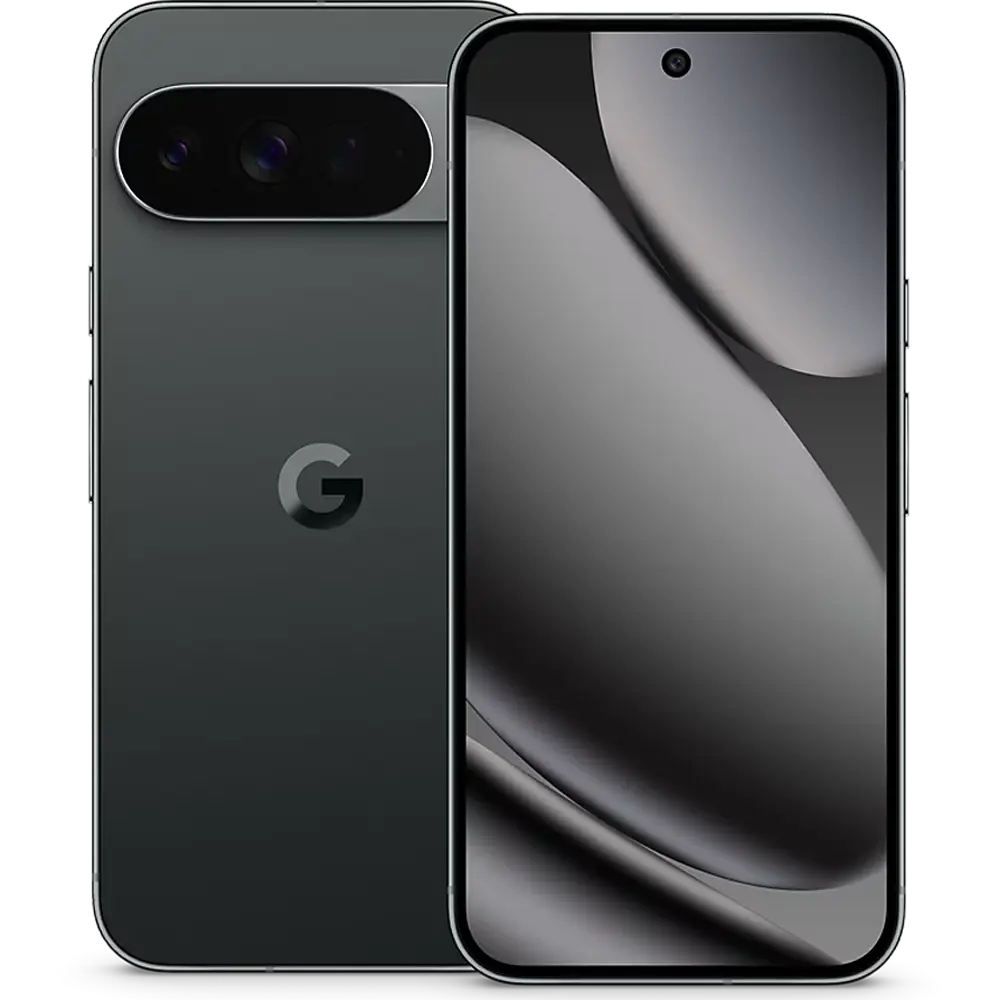
Pixel 10 Pro XL
Ranked #29 of 42 devices tested
Score Overview
The Pixel 10 Pro XL is Google's large-format flagship, pairing a 6.8-inch LTPO OLED display with the Google Tensor G5 chipset, 16GB of RAM, and a four-camera system built around a 50-megapixel main sensor with a 5x optical telephoto. At $1,199, it sits directly opposite the iPhone 17 Pro Max and just below the Samsung Galaxy S26 Ultra at $1,300.
The phone's clearest strengths are its display and camera sharpness. The screen is bright, accurate, and responsive, and the rear cameras resolve detail across the full zoom range — more than similarly-priced competitor past about 20x. Its weaknesses are equally clear. The Tensor G5 trails competing chipsets by a wide margin in CPU, GPU, and AI workloads, battery life falls below average for this price class, and video stabilization is noticeably behind Apple and Samsung's flagships.
Design
Specifications
The Pixel 10 Pro XL measures 162.8 x 76.6 x 8.5mm and weighs 232 grams. It uses an aluminum frame with Gorilla Glass Victus 2 on the front and a glass back. The 6.8-inch display has a 20:9 aspect ratio and an 89.5% screen-to-body ratio. An IP68 rating covers full dust ingress and fresh-water submersion beyond 1 meter, with depth and duration set by Google. Bandicoot Lab does not formally test design or durability, so this section is descriptive rather than scored.
The Pixel 10 Pro XL competes directly with the iPhone 17 Pro Max at $1,199 (163.4 x 78 x 8.8mm, 233 grams). The two phones are nearly identical in size and weight, with the Pro Max thicker and marginally wider. Within Google's lineup the Pro XL is a meaningful step up from the Pixel 10 Pro in both display size (6.8 vs 6.3 inches) and weight (232 vs 207 grams). The 89.5% screen-to-body ratio is higher than either smaller Pixel 10, reflecting slimmer bezels on the larger panel. The Samsung Galaxy S26 Ultra at $1,299.99 is similar in footprint at 163.6 x 78.1 x 7.9mm but lighter at 214 grams.
Display
The Pixel 10 Pro XL's 6.8-inch LTPO OLED panel runs at 1344 × 2992 (486 PPI) with a 1–120Hz adaptive refresh rate. In Natural mode, color accuracy is strong: the lowest average Delta E we measured was 1.32, with 98.4% sRGB coverage. Colors stay close to their reference targets, meaning skin tones, product photos, and images look faithful to the source.
Manual brightness tops out at 1,435 nits, which is substantially higher than the iPhone 17 Pro Max's 857 nits and the Galaxy S26 Ultra's 976 nits. HDR peak brightness reaches 3,405 nits, which is also very bright.
Touch latency averages 15.7ms, which is fast — faster than the iPhone 17 Pro Max's 52.4ms and the Galaxy S26 Ultra's 21ms. In practice, most users won't consciously perceive the gap between 15ms and 21ms.
Display Gamut Coverage
Sustained Brightness
HDR Brightness
HDR Tone Mapping
Performance
The Tensor G5 is designed around Google's AI and on-device processing priorities rather than raw benchmark throughput. Geekbench 6 returns 2,305 single-core and 6,192 multi-core, which is roughly in line with the Pixel 10 Pro and the standard Pixel 10. For context, the iPhone 17 Pro scores 3,918 and 10,158, and the Galaxy S26 Ultra reaches 3,685 and 11,198. The gap is substantial — about 40% in single-core and 40–80% in multi-core, and it affects app launch times, heavy multitasking, and computational workloads.
GPU performance is similar. The Wild Life Extreme stress test peaks at 3,314 with 79.4% stability, which is better stability than either the Galaxy S26 Ultra (49.8%) or the iPhone 17 Pro Max (73.1%), but the peak score itself is less than half of what those phones produce. The Tensor G5 doesn't support the newer Solar Bay ray-tracing benchmark at all. Gaming performance will be adequate for most titles but can't match the headroom Snapdragon 8 Elite Gen 5 or A19 Pro devices provide.
Browser performance is similarly limited. The Speedometer score of 15.6 is well below the iPhone 17 Pro's 43.1 and the Galaxy S26 Ultra's 46. Complex web apps and heavy pages will feel slower.
Performance Benchmarks
Bars positioned relative to the best score in our database.
Wild Life Extreme Stress Test
Camera
The Pixel 10 Pro XL boasts a 50-megapixel f/1.7 main camera (1/1.31" sensor), a 48-megapixel f/1.7 ultrawide, a 48-megapixel f/2.8 5x telephoto, and a 42-megapixel f/2.2 front camera. Overall camera performance is solid, with sharpness being the standout strength and stabilization being the most consistent weakness.
Sharpness scores are high across the main, ultrawide, and telephoto lenses. The telephoto, in particular, resolves detail at extended zoom levels that competitors struggle to match. At 20x, the Pixel retains details in mid-light. The processing does apply noticeable sharpening overshoot at moderate zoom levels, which can create slight edge halos.
The front camera resolves well across all lighting conditions, though below the iPhone 17 Pro's front camera output.
Camera Sharpness
Main
The 50-megapixel main sensor paired with f/1.7 optics and a 1/1.31" sensor delivers strong sharpness across lighting conditions, with auto-mode scores staying consistent from bright to dark scenes.
Google's image processing applies a vivid, saturated look. In bright light, saturation is boosted roughly 33% above reference, which makes colors appear punchy but pushes skin tones well away from their true values. Hue accuracy in bright light is reasonable — colors are shifted in intensity more than they're rotated to incorrect hues. In mid-light, the processing maintains a warm-yellow bias, partly from the saturated processing style and partly from incomplete correction of the warmer 4000K test illuminant. In low light at 3000K, hue errors increase, with a noticeable reddish-magenta shift entering the image as the sensor works harder at higher ISO and the white balance doesn't fully compensate for the warm illuminant. Skin tones drift significantly in both mid and dark conditions.
Dynamic range in auto mode is moderate. The processing clips highlights, limiting recovery in high-contrast scenes.
Color Profile
Dynamic Range
Ultrawide
The 48-megapixel f/1.7 ultrawide uses a 1/2.55" sensor at a 13mm equivalent focal length. Sharpness is high — close to the main camera in our testing — and well above the standard Pixel 10's 13-megapixel ultrawide. The same vivid processing character carries over, with saturation boosted around 26% in bright light and climbing to 31% in mid-light. Hue accuracy is decent in good lighting but degrades in dim conditions, where a strong reddish-warm shift appears — this is a combination of the sensor's higher-ISO color confusion and residual warm bias from the 3000K test illuminant not being fully corrected.
Dynamic range in auto mode matches the main camera. Highlights clip, consistent with Google's tone-mapping approach. Stabilization is average; the ultrawide doesn't benefit from OIS the way the main and telephoto lenses might.
Color Profile
Dynamic Range
Telephoto
The 48-megapixel f/2.8 telephoto provides 5x optical zoom at a 113mm equivalent focal length on a 1/2.55" sensor. Sharpness is the strongest of any lens on this phone. At native 5x in bright light, it resolves good levels of detail. It holds up well in mid and low light too.
Color processing mirrors the main camera's vivid style, with about 33% saturation boost in bright light. Hue accuracy is good in bright conditions and only moderately degraded in mid-light. In low light, the hue shifts are the most moderate of the rear cameras, with less reddish bias than the main or ultrawide. Skin tones are still pushed warm-yellow in mid-light from the combined saturation boost and residual warm-illuminant bias.
The telephoto's auto processing compresses tones aggressively, flattening contrast more than the main camera. Video stabilization is the weakest of any lens on the phone and noticeably behind the iPhone 17 Pro's telephoto.
Color Profile
Dynamic Range
Front
The 42-megapixel f/2.2 front camera delivers solid sharpness — particularly in bright and mid-light. Auto mode applies heavy processing: saturation is boosted 24% in bright light, and the warm-yellow bias is prominent, with skin tones pushed well above their true values. In mid-light, the bias intensifies as the white balance struggles with the 4000K illuminant. Low light introduces a strong reddish-magenta hue shift, making the front camera the least color-accurate lens in dim conditions.
Dynamic range in auto mode is below the iPhone 17 Pro's front camera output. Stabilization is limited, too.
Color Profile
Dynamic Range
Battery
The Pixel 10 Pro XL packs a 5,200mAh battery, larger than the Pixel 10 Pro's 4,870mAh and the iPhone 17 Pro Max's 5,088mAh. Despite this, battery life falls below average.
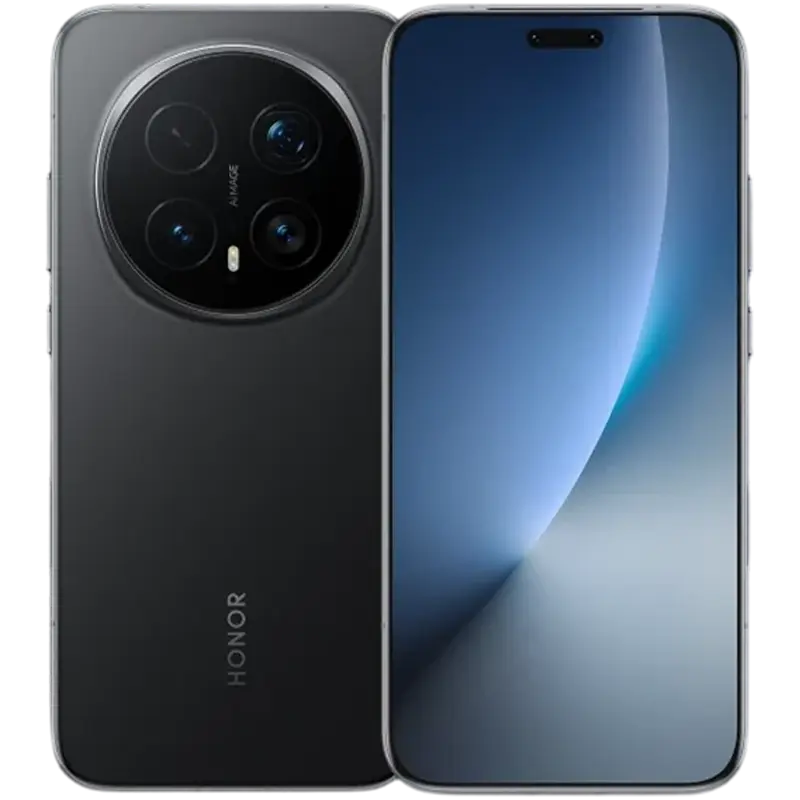
Video playback at 200 nits lasts 23 hours 19 minutes, which is competitive with the iPhone 17 Pro Max's 23 hours 58 minutes but well short of the Galaxy S26 Ultra's 31 hours 34 minutes and the Honor Magic8 Pro's 35 hours 30 minutes. At max brightness, the phone lasts 15 hours 44 minutes — a consequence of the very high max brightness pulling more power.
Web browsing drains 25% over a 5-hour session, which is higher (worse) than the iPhone 17 Pro Max's 21% and substantially worse than the Honor Magic8 Pro's 11%. Gaming drains 27% during the stress test, again trailing the iPhone 17 Pro's 24% and the Honor Magic8 Pro's 25%. Standby drain is excellent at 2% over 8 hours, matching the iPhones and bettering the Galaxy S26 Ultra's 10%.
In practical terms, the Pixel 10 Pro XL will get most users through a full day of moderate use.
Battery Life
Charging
Wired charging at 45W brings the phone from empty to 25% in 10 minutes and 70% in 30 minutes. That 30-minute figure is solid for a phone in this class. It’s close to the iPhone 17 Pro's 72% — though the Galaxy S26 Ultra reaches 79% and the Honor Magic8 Pro hits 81% in the same time.
Wireless charging at 15W is slower. It gets 12% in 10 minutes and 39% in 30 minutes. The phone supports Qi2 / magnetic charging, which is a practical convenience for desk and nightstand use but doesn't improve charging speed. The iPhone 17 Pro Max, which charges wirelessly at 25W, reaches 47% in 30 minutes. The Pixel 10 Pro (also 15W wireless) manages 34% in the same period with its smaller battery, so the XL's slightly higher percentage reflects the faster wired charging adapter the XL ships with rather than any wireless advantage.
Compared to the Pixel 10 Pro, the XL benefits from its faster 45W wired charging. The Pro is limited to 30W and only reaches 55% in 30 minutes wired.
Wired Charging Curve
Wireless Charging Curve
Speaker
The speaker system produces 75.8dB of maximum volume, which is competitive with the iPhone 17 Pro (75.2dB) and Galaxy S26 Ultra (75.3dB). Distortion averages 10.1% THD, which is higher than the Samsung Galaxy S26 Ultra's 3.3% and the iPhone 17 Pro's 4.7%. At higher volumes, the distortion becomes audible as a slight roughness in the upper frequencies.
The sound profile leans toward the higher registers, with above-average treble clarity but relatively thin bass. The low-end response is lighter than phones like the iPhone 17 Pro Max or Galaxy S26 Ultra, which deliver a fuller, warmer character. For casual listening, podcasts, and calls, the Pixel 10 Pro XL's speakers are fine, but for music or video, the output will feel thin compared to the better speakers in this price range.
Speaker Frequency Response
Microphone
Microphone quality is above average. The frequency response is relatively flat, with less variation across the spectrum than the Galaxy S26 Ultra or the iPhone 17 Pro. Voice recordings and video audio captured with the built-in microphone sound clear and balanced, without the peaks and valleys that make some phones sound nasal or muffled.
Microphone Frequency Response
Other
Measurements
Specifications
The ultrasonic fingerprint sensor unlocks in an average of 213.9ms, which is decent. It’s faster than the Galaxy S26+ (394ms) but slower than the Galaxy S26 Ultra (137.5ms) and the standard Pixel 10 (194ms).
Data transfer over USB-C 3.2 delivers a max read speed of 105.4 MB/s and max write speed of 130.6 MB/s. These are adequate but far below the iPhone 17 Pro Max's 304 MB/s read and the Galaxy S26 Ultra's 332 MB/s read. Transferring large files will take noticeably longer from the Pixel.
Conclusion
The Pixel 10 Pro XL's strengths are concentrated to a bright, accurate, responsive display and cameras that resolve exceptional detail, particularly at extended zoom distances where it outperforms similarly-priced phones. Google's image processing leans toward vivid, saturated output that looks appealing but drifts from accurate color representation, especially in portraits and skin tones.
The trade-offs are that the Tensor G5 is meaningfully slower than the Snapdragon 8 Elite Gen 5 and A19 Pro in every benchmark category, which shows up in browser performance, gaming headroom, and heavy multitasking. Battery life is below average for a $1,199 phone with a 5,200mAh cell, and video stabilization falls well short of both Apple and Samsung's current implementations. At this price, the iPhone 17 Pro Max offers stronger overall performance, better battery life, and superior stabilization, while the Galaxy S26 Ultra adds better dynamic range, longer battery life, and faster data transfer. The Pixel 10 Pro XL earns its place through its display, its zoom sharpness, and Google's software. Buyers who prioritize those will find value here, but the phone asks for compromises in other areas that its competitors don't.
Related
Best Android Phones
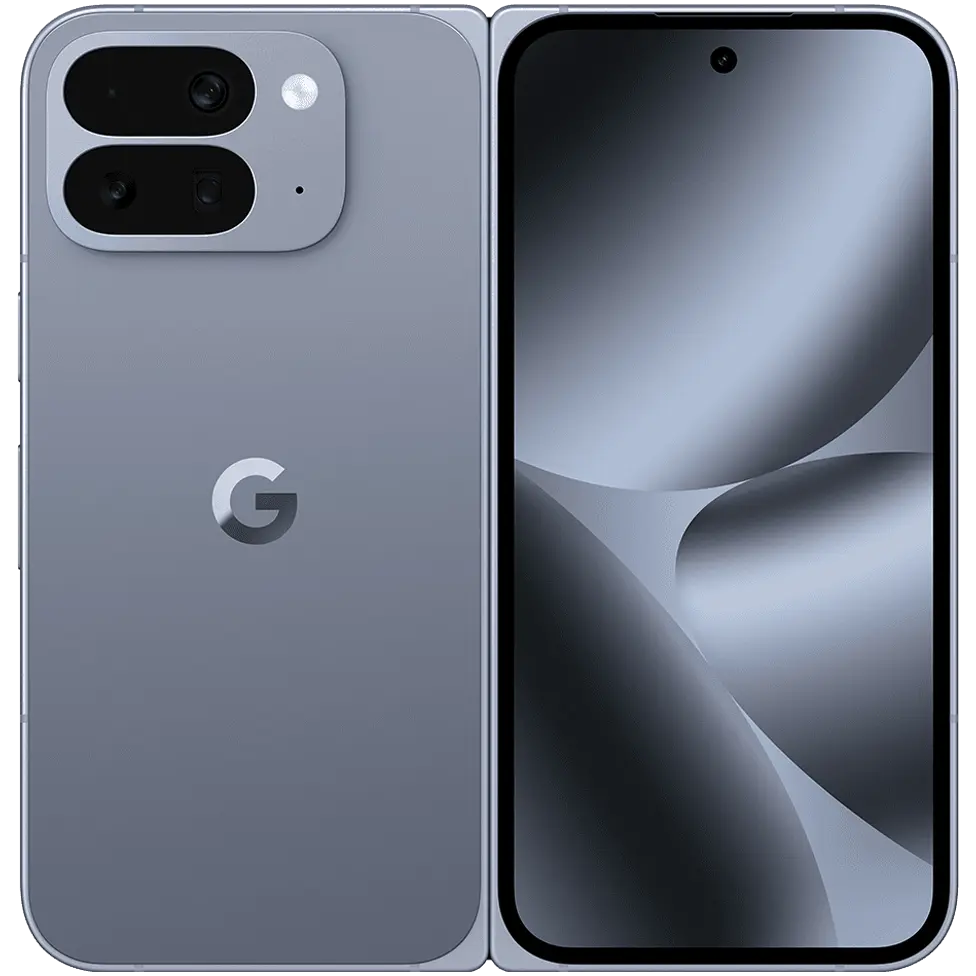
Pixel 10 Pro Fold
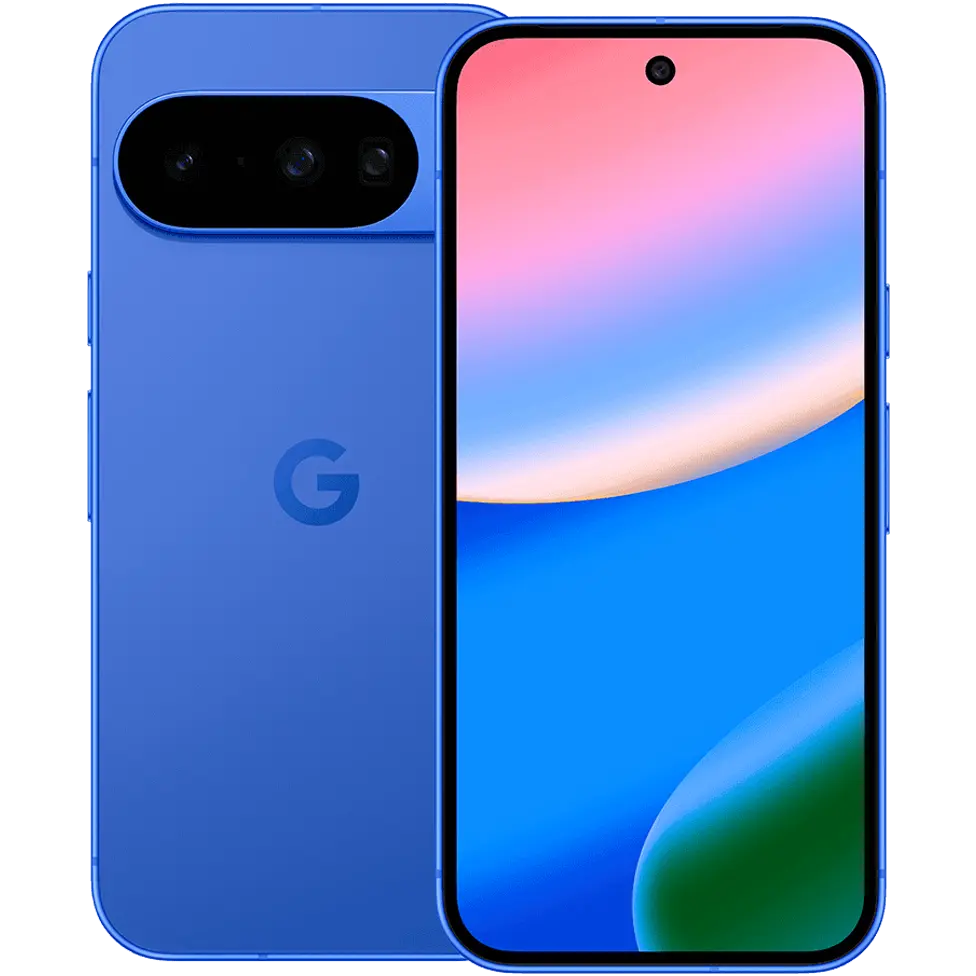
Pixel 10
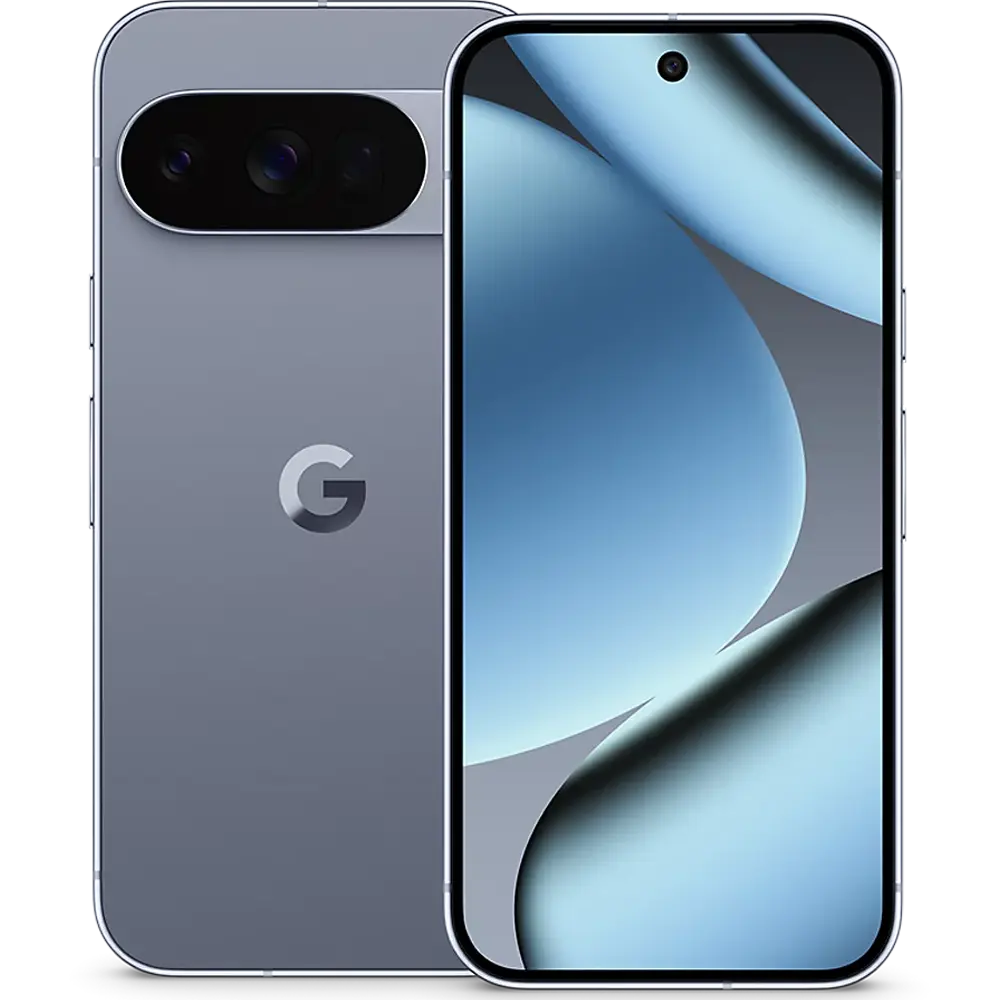
Pixel 10 Pro
Pixel 10a
Honor
Magic8 Pro
Honor
Magic7 Pro
Apple
iPhone 17 Pro
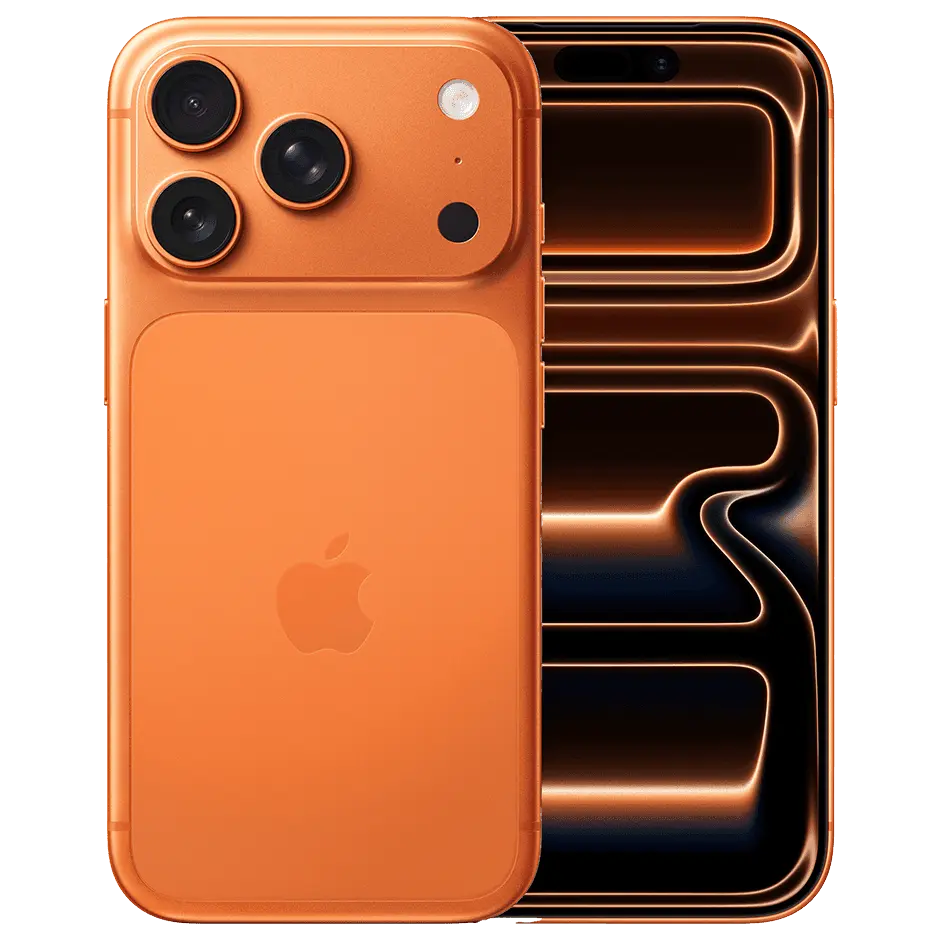
Apple
iPhone 17 Pro Max
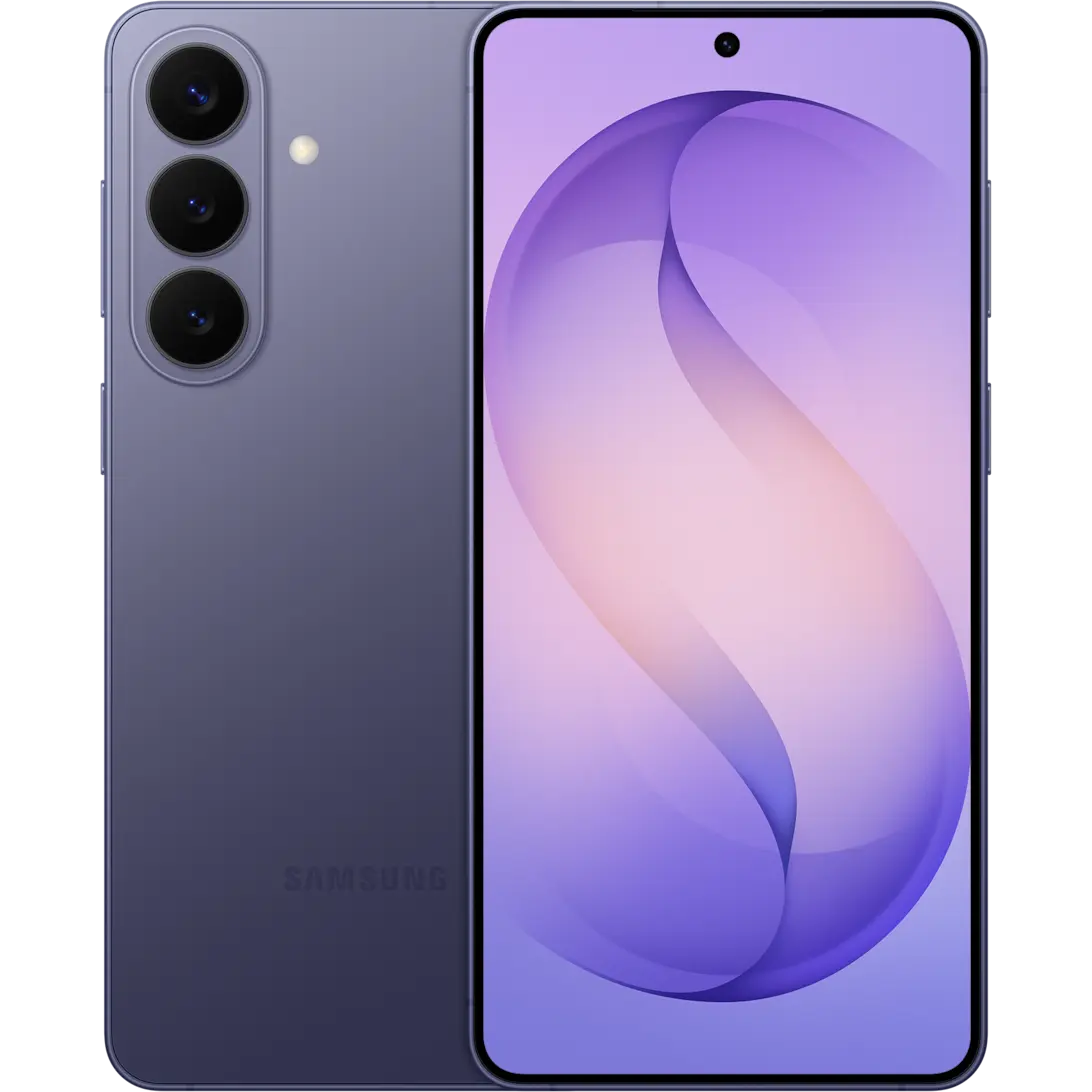
Samsung
Galaxy S26+
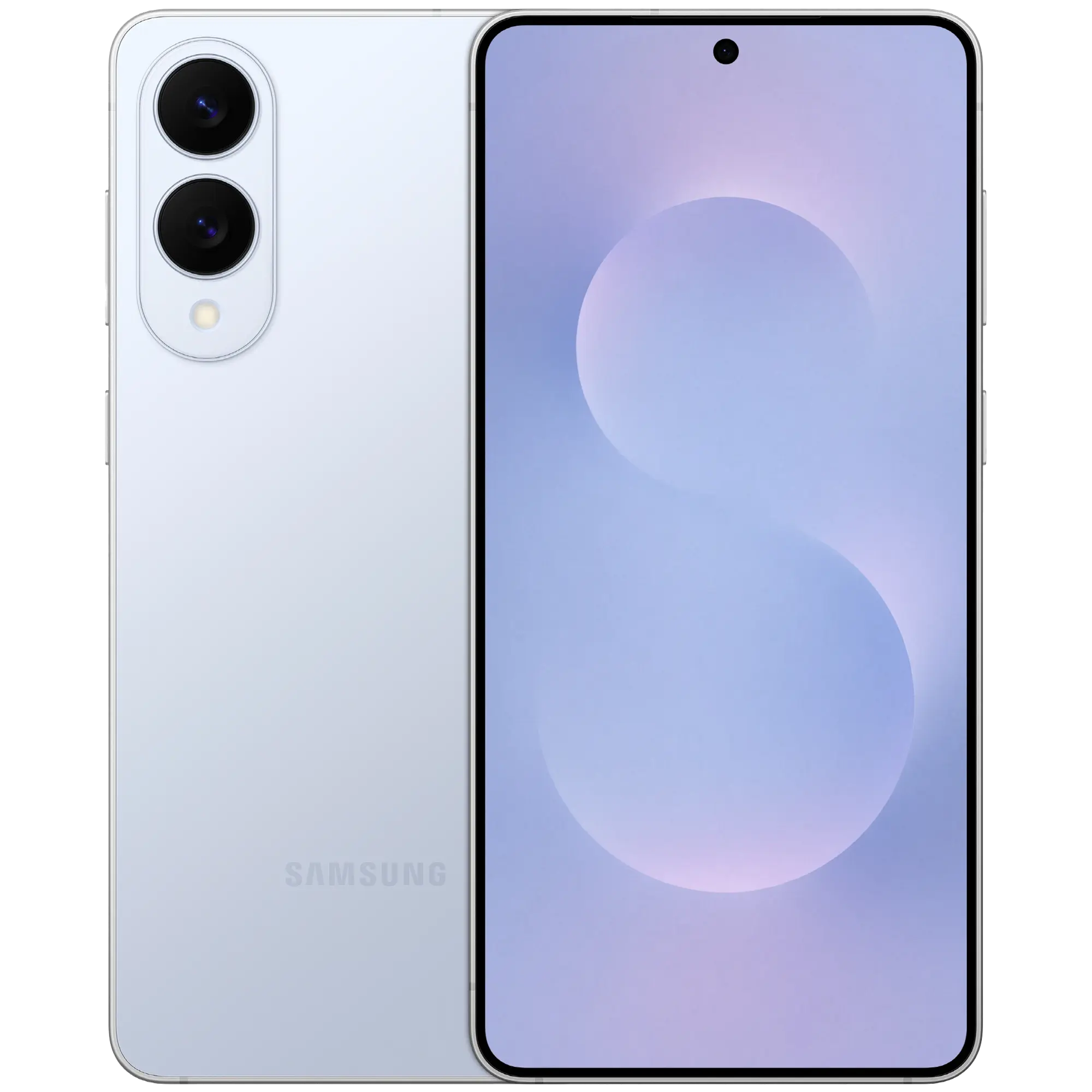
Samsung
Galaxy S25 Edge

Samsung