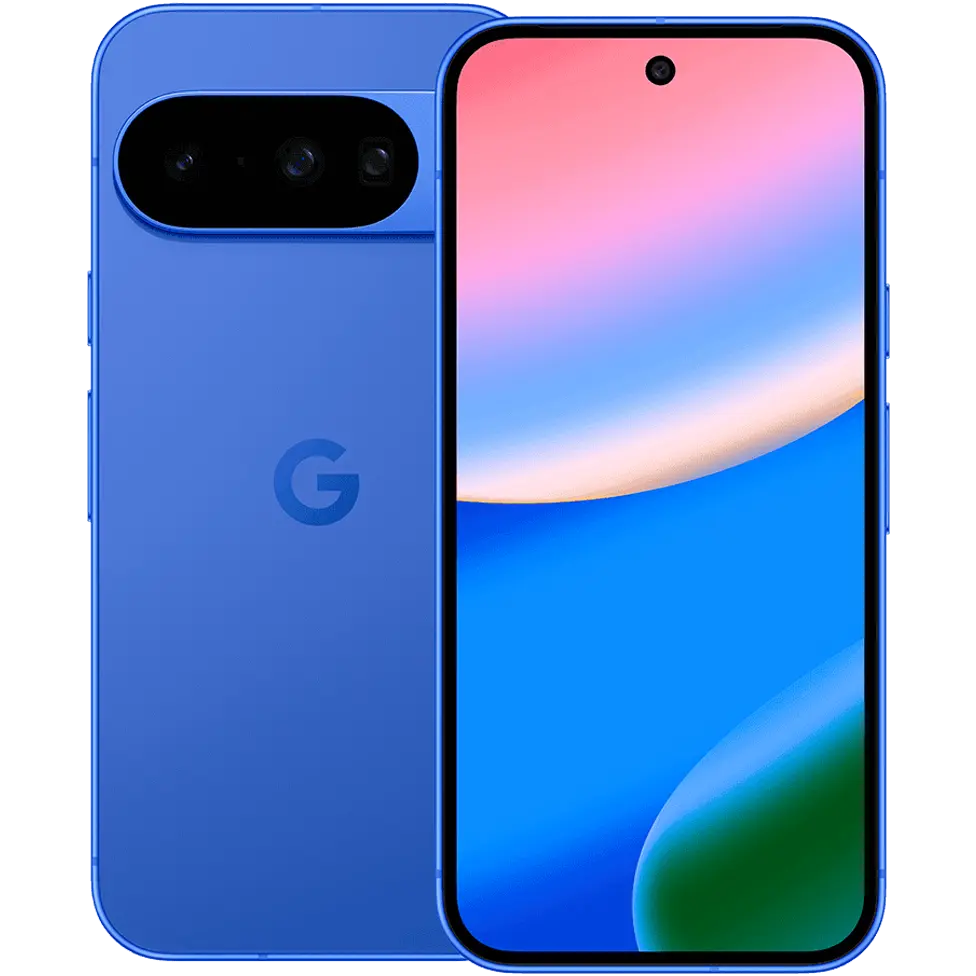
The Pixel 10 is Google's $799 flagship, pairing the Tensor G5 with a triple-camera system that includes a 5x telephoto — previously reserved for Google's Pro lineup. The 6.3-inch 120Hz OLED display, 4,970 mAh battery, and magnetic wireless charging (Qi2) round out the package. Within Google's lineup, it sits above the $499 Pixel 9a (which lacks a telephoto and runs the older Tensor G4) and below the $999 Pixel 10 Pro and $1,199 Pixel 10 Pro XL, which upgrade the camera sensors substantially.
At $799, it competes directly with the $799 iPhone 17 and sits near the $899.99 Galaxy S26 and $899.99 OnePlus 15. The $699.99 OnePlus 15R offers a larger battery and faster charging for $100 less, without a telephoto.
Design
Specifications
The Pixel 10 measures 152.8 x 72 x 8.6mm and weighs 204 grams. It uses an aluminum frame with Gorilla Glass Victus 2 on the front and a glass back. The 6.3-inch display has a 20.2:9 aspect ratio and an 86.5% screen-to-body ratio. An IP68 rating covers full dust ingress and fresh-water submersion beyond 1 meter, with depth and duration set by Google. Bandicoot Lab does not formally test design or durability, so this section is descriptive rather than scored.
At 204 grams the Pixel 10 is on the heavier side of the $799 price class. The iPhone 17 at the same price is smaller and 27 grams lighter at 149.6 x 71.5 x 8mm and 177 grams, and the Samsung Galaxy S26 at $899.99 is noticeably lighter still at 167 grams and 7.2mm thick. Within Google's own lineup the Pixel 10 is slightly thicker than the Pixel 10 Pro (207 grams, 8.5mm) and well below the Pixel 10 Pro XL (232 grams, 6.8-inch display). The 86.5% screen-to-body ratio is the lowest of the Pixel 10 series, reflecting thicker bezels than the Pro variants.
Display
The 6.3-inch OLED panel runs at 120Hz with a pixel density of 422 PPI. The adaptive refresh range is 60–120Hz, which is narrower than the 1–120Hz range on the iPhone 17 and Galaxy S26, meaning the display can't drop as low to save power during static content. Maximum manual brightness measured 1,496 nits, which is strong — brighter than the iPhone 17's 854 nits, the Galaxy S26's 641 nits, and the OnePlus 15's 798 nits. Outdoor visibility is excellent. Minimum brightness is 1.95 nits.
Display color accuracy (how closely the screen reproduces reference colors) measured an average Delta E of 1.44 in Natural Mode. Errors at that level are difficult to see without instrumentation. The iPhone 17 is similar at 1.77. The Galaxy S26 (3.28) and OnePlus 15 (3.44) both show visible color drift.
Touch latency measured 22.6ms, which is responsive, and more or less on par with the Galaxy S26 and OnePlus 15. The iPhone 17's 57ms is noticeably slower. In practice, all are fast enough that the differences are imperceptible in normal use.
Display Gamut Coverage
Sustained Brightness
HDR Brightness
HDR Tone Mapping
Performance
The Tensor G5 is generally a weaker performer in the price bracket, amongst its competitors. GeekBench 6 hit 2,271 single-core and 6,137 multi-core, with a Speedometer browser score of 20.3. The iPhone 17's A19 offers a much higher multi-core output (9,645) and browser speed (33.5). The Galaxy S26's Snapdragon 8 Elite Gen 5 hits 3,709 single-core and 11,232 multi-core. The OnePlus 15, running the same Snapdragon chip, reaches 3,606 single-core and 11,442 multi-core.
Peak GPU output measured 2,955 in Wild Life Extreme — less than half the Galaxy S26's 7,740. But thermal stability is good at 68.6%, meaning the Pixel 10 holds its performance better over time than the S26's 45.8%.
In most daily use the Tensor G5 handles everything smoothly. The benchmark gap shows in heavy games and sustained GPU loads. Google's priority with Tensor continues to be AI and ML workloads rather than raw throughput.
Performance Benchmarks
Bars positioned relative to the best score in our database.
Wild Life Extreme Stress Test
Camera
The triple-camera system is made up of a 48-megapixel main, 13-megapixel ultrawide, and 10.8-megapixel 5x telephoto. With that telephoto camera, the Pixel 10 has a sensor that the iPhone 17 lacks entirely. The Galaxy S26 has a 3x telephoto with a closer focal length but higher-resolution sensor. Google's computational photography produces strong dynamic range across all lenses. The main weakness is the smaller 1/2.0-inch main sensor — both the iPhone 17 (1/1.56-inch) and Galaxy S26 (1/1.56-inch) capture more light. Google's color tuning is aggressively saturated, more so than Samsung or Apple.
Camera Sharpness
Main Camera
The 48-megapixel main camera (f/1.7, 25mm, 1/2.0-inch sensor) produces well-exposed images with strong dynamic range in auto mode. Google's computational photography is doing heavy lifting to extract this range from a relatively small sensor.
Google's color tuning is the most saturated in this comparison — noticeably more vivid than Apple or Samsung's processing. In mid light the saturation boost pushes even higher than in bright conditions. This is a deliberate stylistic choice that makes images look punchy and vivid, not necessarily an accuracy failure. Hue accuracy (whether colors land on the correct hue regardless of saturation) is moderate in bright light and roughly halves in low light. Notably, white balance correction on the main camera is good — the yellow/blue shift from ambient lighting actually decreases in the mid-light (4000K) and low-light (3000K) conditions, meaning Google's processing successfully neutralizes the warmer ambient light. The hue degradation in low light is primarily the sensor struggling to resolve accurate hues at higher ISO, not an incomplete white balance correction.
Video stabilization is average. The iPhone 17 is substantially smoother, though the Galaxy S26 and Galaxy S25 are similar to the Pixel 10 in stabilization performance.
The Pixel 10 Pro upgrades to a 50-megapixel f/1.7 sensor on a much larger 1/1.31-inch chip, which is a meaningful step up in light gathering and natural background blur for users who want more from the main camera.
Color Profile
Dynamic Range
Ultrawide Camera
The 13-megapixel ultrawide (f/2.2, 14mm, 1/3.1-inch sensor) is the least capable lens in terms of hardware. Dynamic range is actually stronger than the main camera, which is uncommon. Color saturation follows the same aggressive tuning as the main lens. Hue accuracy is moderate in bright light and degrades in low-light conditions. White balance correction is reasonable on this lens, so most of the hue degradation is the small sensor struggling with noise at higher ISO rather than an ambient color temperature issue.
The iPhone 17's 48-megapixel f/2.2 ultrawide captures substantially more detail from a larger sensor. The Galaxy S26's 12-megapixel f/2.2 ultrawide is similar in resolution to the Pixel's 13MP. The OnePlus 15's 50-megapixel f/2.0 ultrawide outdoes both.
Color Profile
Dynamic Range
Telephoto Camera
The 10.8-megapixel 5x telephoto (f/3.1, 112mm, 1/3.2-inch sensor) provides genuine optical zoom reach that other devices in this price range cannot match — the iPhone 17 has no telephoto at all, relying on digital crop from its main camera at distances beyond 1x. Dynamic range is strong. The f/3.1 aperture is slow, which limits low-light performance, and the small sensor means images get noisy quickly in dim conditions.
Color tuning is vivid, and the processing pushes saturation harder as light drops. Hue accuracy is reasonable in good light but degrades in dim conditions. White balance correction is strong on this lens, so the hue degradation is the sensor losing color fidelity at higher ISO, not residual warm cast from the 3000K test lighting.
The Galaxy S26's 3x telephoto has a closer focal length with a faster f/2.4 aperture, which is better for portraits but with less reach. The OnePlus 15's 3.5x telephoto at 50 megapixels offers higher resolution with better low-light capability. The Pixel 10 Pro shares the same 5x reach but with a much larger 1/2.55-inch sensor at 48 megapixels — a substantial upgrade in telephoto quality.
Color Profile
Dynamic Range
Front Camera
The 10.5-megapixel front camera (f/2.2, 20mm, 1/3.1-inch sensor) produces good dynamic range. Color tuning is heavily saturated, and hue accuracy is reasonable in bright and mid light but degrades in low-light conditions. Unlike the rear cameras, the front camera's white balance correction doesn't fully compensate for warmer ambient lighting, so some of the hue shift in low light is compounded by residual warm cast from the 3000K test lighting.
The iPhone 17's 18-megapixel f/1.9 front camera lets in more light with its wider aperture. The Pixel 10 Pro and Pro XL jump to 42 megapixels — a substantial resolution increase. The Galaxy S26's 12-megapixel front camera has comparable resolution to the Pixel 10's.
Color Profile
Dynamic Range
Battery
The 4,970 mAh battery delivered 23 hours and 6 minutes of video playback at 200 nits, and 17 hours and 13 minutes at maximum brightness. In a five-hour web browsing test, drain was 23%. Gaming consumed 22% per hour. Standby drain was 3% overnight.
That gets most users through a full day comfortably. The iPhone 17 managed 22 hours and 10 minutes from a much smaller 3,692 mAh battery — similar endurance from less capacity, reflecting Apple's efficiency advantage. The Galaxy S26 reaches 30 hours and 15 minutes from 4,300 mAh — significantly more efficient per milliamp-hour than the Pixel 10. The OnePlus 15R at $100 less delivers 44 hours and 13 minutes from its 7,400 mAh battery with only 22% web drain.
The Pixel 9a, despite being $300 cheaper, delivered 26 hours and 38 minutes of video playback from 5,100 mAh, outlasting the Pixel 10 by over 3 hours. Battery life is not a selling point of the Pixel 10 within Google's own lineup.
Battery Life
Charging
Wired charging at 30W reached 20% in 10 minutes and 57% in 30 minutes, with a full charge in about 83 minutes. Wireless charging at 15W reached 30% in 30 minutes, with a full charge in about 2 hours. Magnetic wireless charging (Qi2) is supported — a feature the Galaxy S26 and OnePlus 15 lack.
The iPhone 17 charges faster with wired (73% in 30 minutes) and wireless (49% in 30 minutes) charging. The Galaxy S26 is slightly slower wired (58% in 30 minutes). The OnePlus 15 is in a different class entirely at 120W wired (88% in 30 minutes, full charge in 37 minutes). The OnePlus 15R charges at 80W (63% in 30 minutes, full charge in 55 minutes of its 7,400 mAh battery) — filling a much larger battery in less time.
Wired Charging Curve
Wireless Charging Curve
Speaker
The Pixel 10's speaker prioritized the high end. Its treble was the cleanest measured against any similarly-priced rival, with an exceptionally flat response across the upper-mid and high bands. Bass was weaker, with a 23.9 dB drop from the mids to the bass band — deeper than the iPhone 17's 21.5 dB and meaningfully behind the Xiaomi 17's much tighter 10.2 dB. Maximum loudness of 76.0 dBA was competitive with the iPhone 17 and Xiaomi 17. Distortion at 6.3% was moderate, cleaner than the iPhone 17 but worse than the Nothing Phone (3).
Speaker Frequency Response
Microphone
Microphone frequency response is adequate for calls and voice recording. The Galaxy S26 and iPhone 17 are comparable. The OnePlus 15R has notably more variation in its frequency response.
Microphone Frequency Response
Other
Measurements
Specifications
The ultrasonic fingerprint sensor averages 194 milliseconds, which is quite fast. The iPhone 17 uses Face ID at 508ms.
Data transfer via USB-C 3.2 measured read speeds of 41 MB/s and write speeds of 10 MB/s — unexpectedly slow for a USB 3.2 connection. The Galaxy S26 measured 160 MB/s read and 106 MB/s write. The OnePlus 15 reached 140 MB/s read and 59 MB/s write. The iPhone 17 is limited to USB-C 2.0 (20 MB/s read, 25 MB/s write) but the Pixel 10's write speeds are actually slower despite the faster port spec.
Conclusion
The Pixel 10's strongest results are its display, camera dynamic range across all lenses, and the inclusion of a 5x telephoto at a price point where the iPhone 17 has no telephoto at all. The ultrasonic fingerprint sensor is fast, and Qi2 magnetic wireless charging is a practical feature the Galaxy S26 doesn't offer.
The weaknesses are clear. Raw processing power trails the competition significantly. Battery life is adequate but the Pixel 9a at $300 less actually outlasts it. The 1/2.0-inch main camera sensor is smaller than what both the iPhone 17 and Galaxy S26 offer. Charging speed is middle-of-the-pack, and the USB-C 3.2 transfer speeds are puzzlingly slow. At $799, it's a phone built around Google's software, camera processing, and display quality — buyers who prioritize those will find the tradeoffs acceptable.
Related
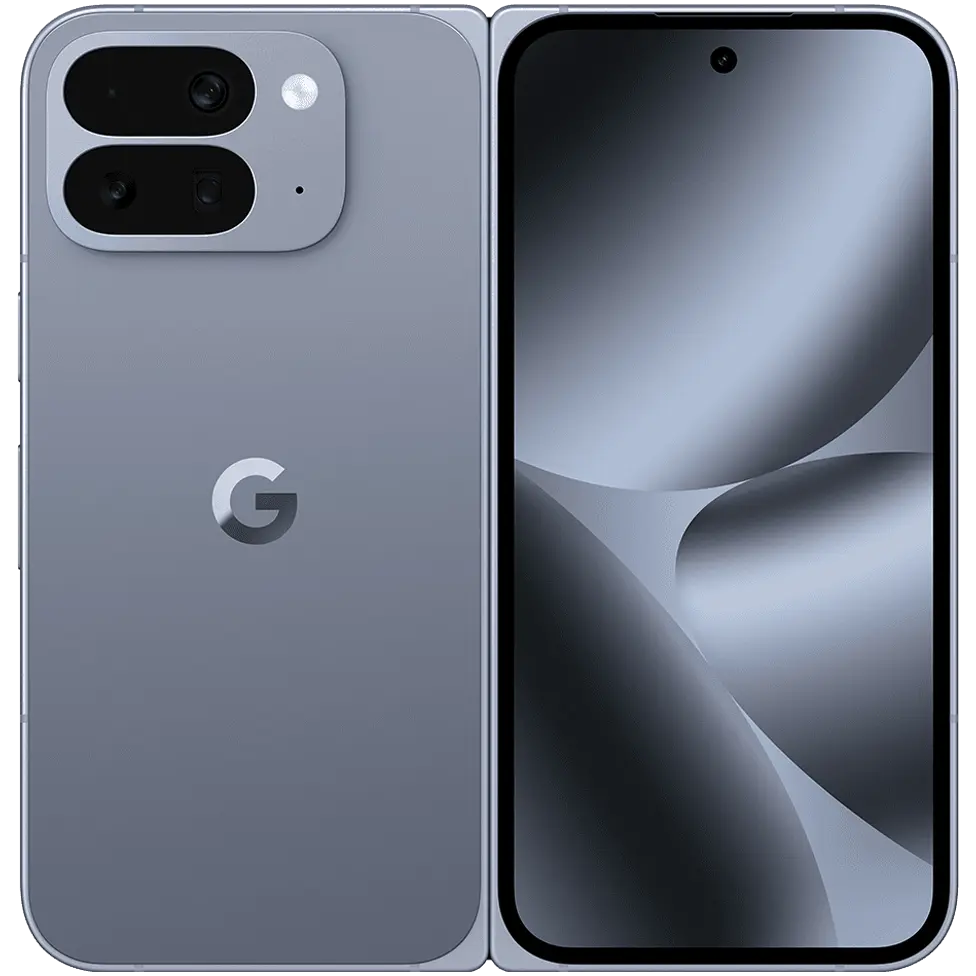
Pixel 10 Pro Fold
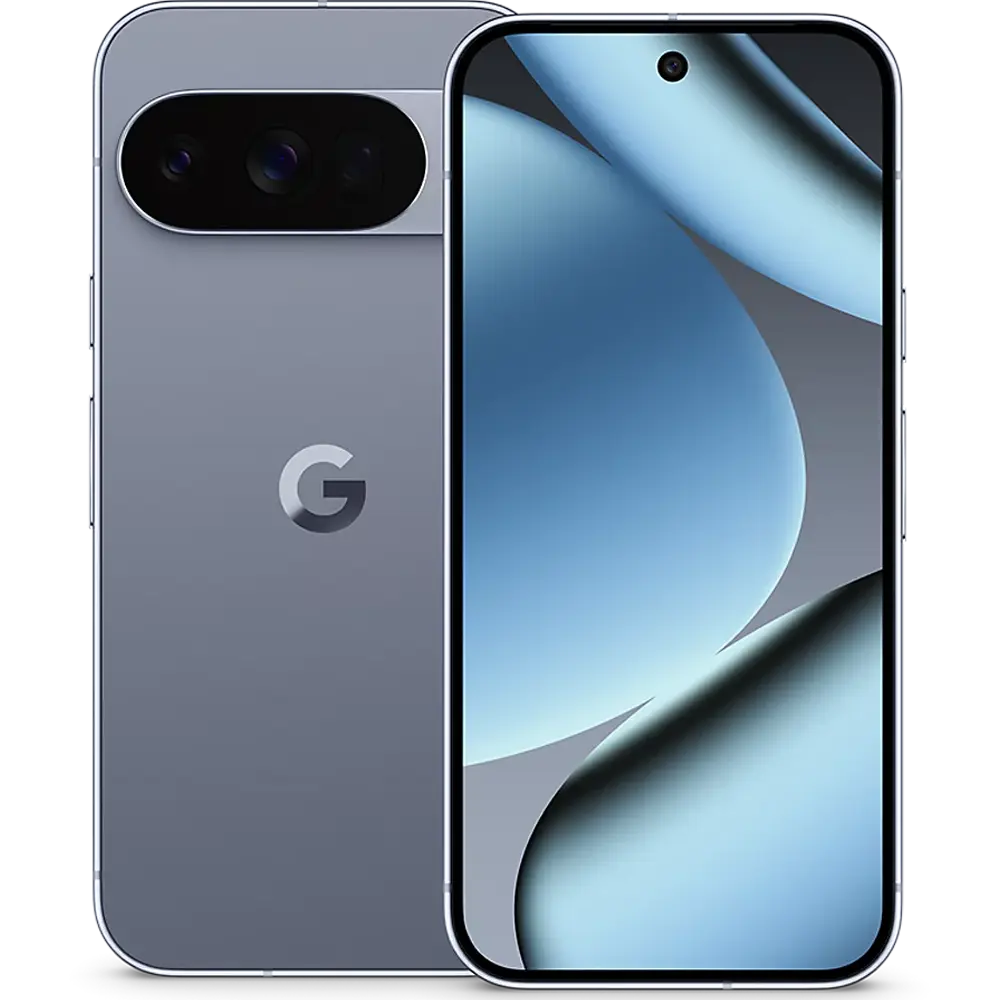
Pixel 10 Pro
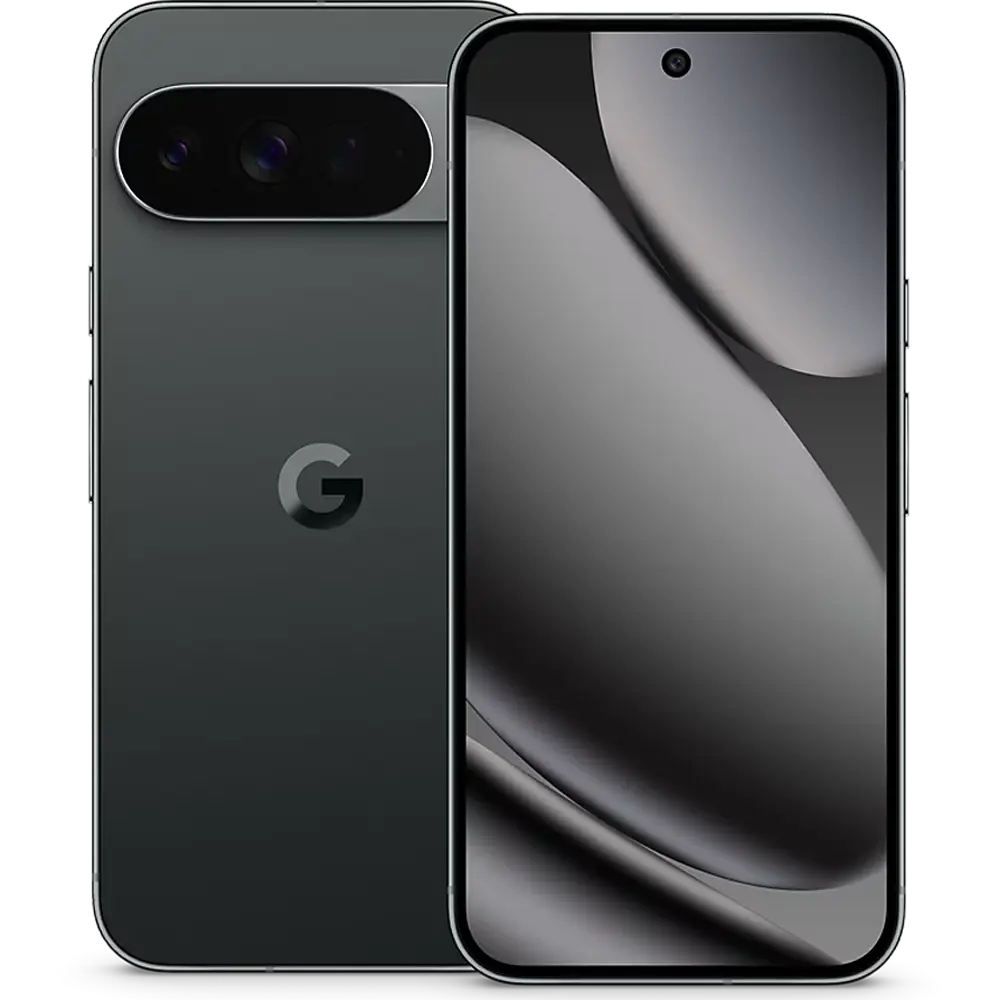
Pixel 10 Pro XL
Pixel 10a
OnePlus
13

OnePlus
15R
Apple
iPhone 17
Samsung
Galaxy S25
Xiaomi
15T Pro
Nothing