Best Phones for Battery
Honor
Apple
Nothing
OnePlus
Apple
Magic8 Pro
iPhone 17 Pro
Pixel 9a
CMF Phone 2 Pro
15
iPhone 17e
Ranked #1 of 42
Ranked #4 of 42
Ranked #34 of 42
Ranked #41 of 42
Ranked #5 of 42
Ranked #22 of 42
Overall
Overall
Overall
Overall
Overall
Overall
What good is a great phone that only gets you past-way through the day? A large battery capacity, however, only tells part of the story. Efficient chipsets, display tuning, and software optimization all determine how long a phone actually lasts between charges. This list ranks phones by real-world endurance across talk time, video playback, web browsing, and standby, giving a fuller picture than a single milliamp-hour number ever could.
The Honor Magic8 Pro takes the top spot for overall battery life, pairing a massive cell with power-efficient hardware that keeps it running well beyond a full day of heavy use. For iPhone users, the Apple iPhone 17 Pro delivers the best longevity Apple offers, with meaningful gains in efficiency over previous generations. Budget-conscious buyers have strong options too. The Google Pixel 9a holds up impressively for under $500, while the Nothing CMF Phone 2 Pro stretches endurance further for under $300.
You will also find picks tailored to specific use cases here, including phones optimized for long video sessions and sustained gaming. Rankings are updated as new devices are tested, so the results always reflect the latest data.
Best Battery Life Overall



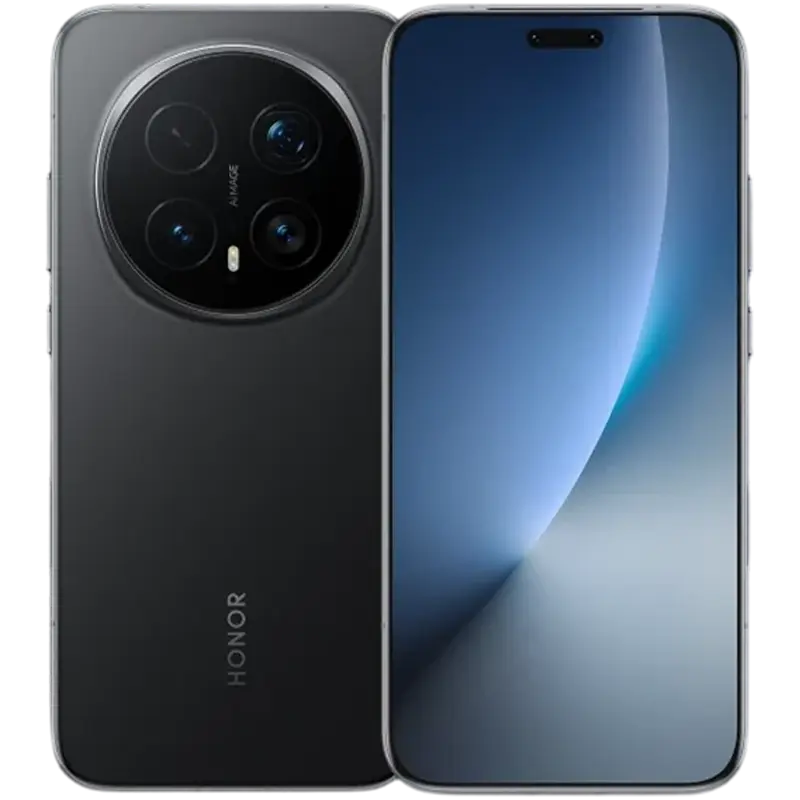
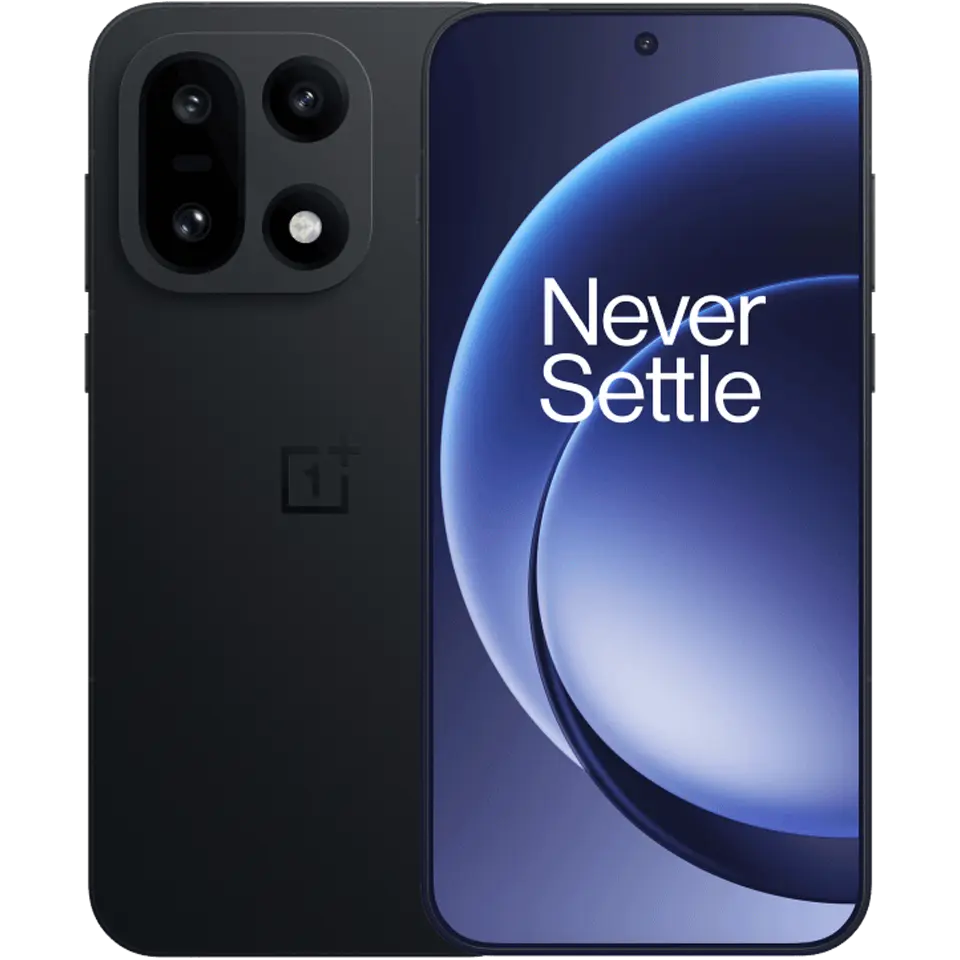
The Honor Magic8 Pro leads our battery database outright — and by a meaningful margin. In continuous video playback testing, it lasted 35 hours and 30 minutes, over nine hours longer than the iPhone 17 Pro. Only the OnePlus 15 runs longer for video, at 46 hours, though the Honor wins overall because it performed better in our other battery tests. Web browsing drain of 11% and standby drain of 7% overnight are both strong, and the 7100mAh cell clearly has the capacity to back up those numbers in real-world use.
Performance is equally strong — GeekBench 6 multi-core of 11,188 puts it near the top of this list. The 4,969-nit peak HDR brightness is the highest of any phone here.
Camera is the clearest weakness. It ranks below many other phones at this price, and that's noticeable for a $1,299 phone. Speaker quality and microphone recordings are also below the database average, which is worth considering if audio matters to you.
For users who want maximum battery endurance alongside top-tier performance and display quality, and can live with a weaker camera, the Magic8 Pro is the straightforward pick.
Best Battery Life iPhone
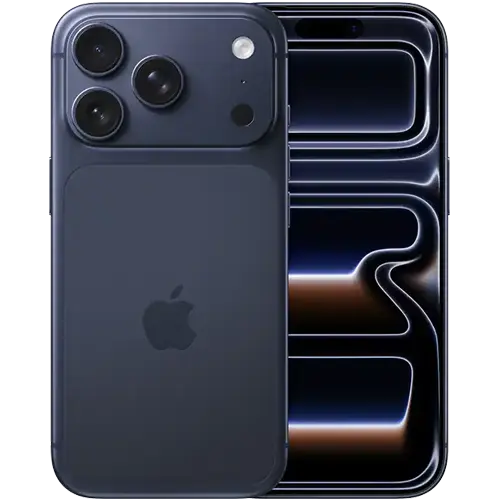
The iPhone 17 Pro is the longest-lasting iPhone we've tested, which is what earns it a place here among phones that otherwise run Android. Its 23:58 hours of video playback sits just behind the Pixel 9a’s 26:38 and well behind the OnePlus 15's 46-hour result, but among iPhones it's the clear leader. Notably, it performed better than the iPhone 17 Pro Max in our battery tests, likely because while the Pro Max has a larger battery, it has to power a larger display with it.
Beyond battery, the 17 Pro is a strong all-around phone. Camera ranks second in our database, and the A19 Pro chip posts a 3,918 single-core and 10,158 multi-core GeekBench score — competitive with everything else here. The display hits 885 nits at manual brightness and 3,043 nits peak HDR.
Charging is a weak point. At 40W wired, it reaches 72% in 30 minutes, which is decent, but the OnePlus 15 hits 88% in the same window. Wireless charging is similarly modest.
If you're set on iOS and want the most battery life available in an iPhone, this is the one to get.
Best Battery Life Under $500
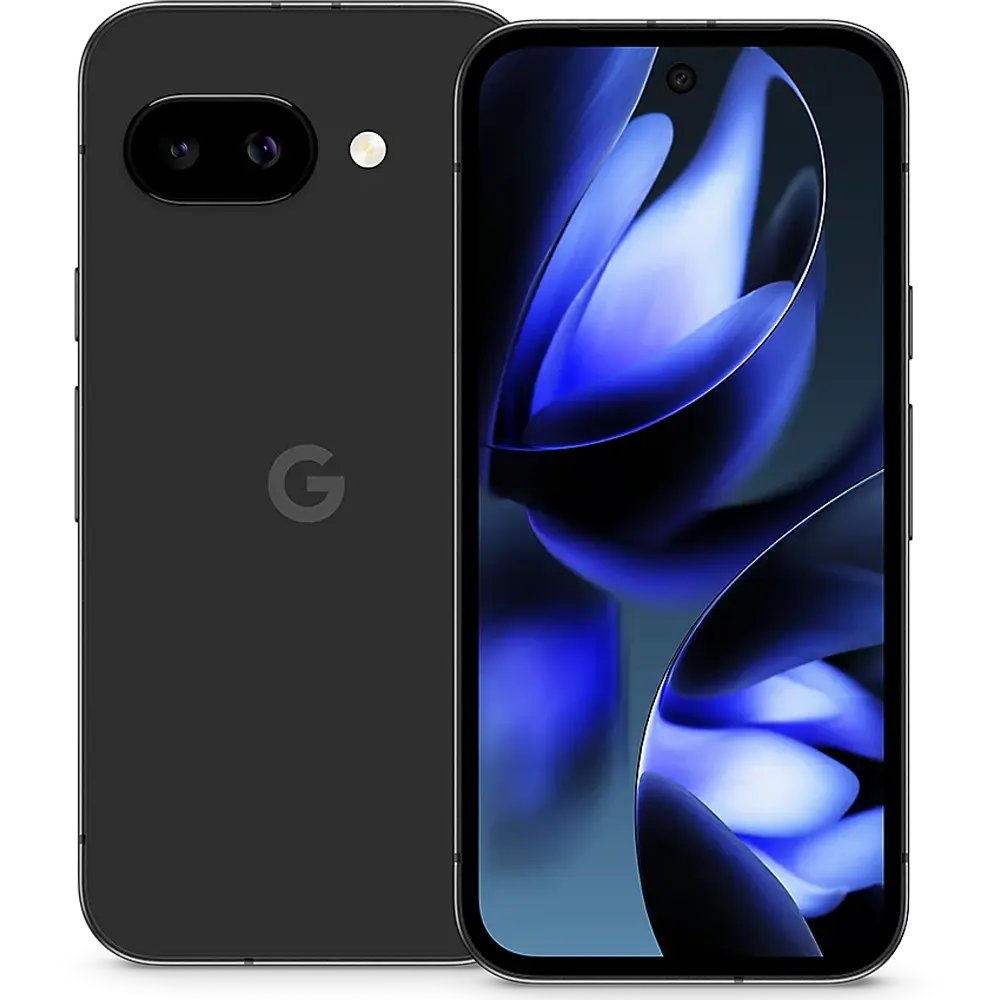
The Pixel 9a earns its place here on battery longevity alone. In our video playback test, it ran for over 26 hours — ahead of the iPhone 17 Pro (just under 24 hours) and the CMF Phone 2 Pro (23.5 hours). Standby drain was also minimal at 2% overnight, matching the CMF Phone 2 Pro and the iPhone 17 Pro. It did slightly better than the Pixel 10a, which has replaced it.
The trade-offs are significant, though, and worth understanding before buying. Charging is the most obvious weakness. Wired charging gets you to 47% in 30 minutes, which is adequate, but wireless charging is much slower at 12% in 30 minutes. Performance is also well below average.
The display is a genuine highlight though. Peak HDR brightness hit 2,652 nits, which is strong — but that won't be the reason most people choose this phone.
At $499, the Pixel 9a is a straightforward pick for anyone who prioritizes battery endurance and doesn't need fast charging or top-tier performance.
Best Battery Life Under $300
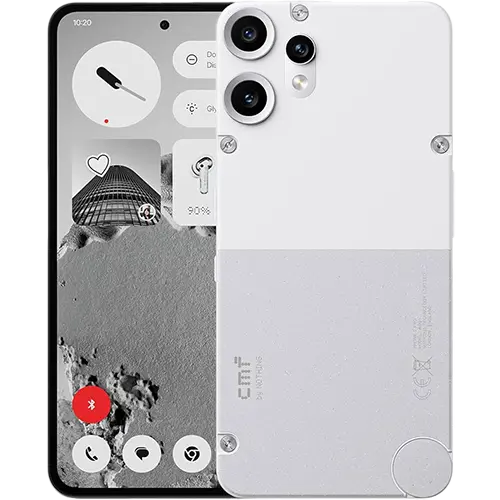
The CMF Phone 2 Pro wins this slot for being a solid phone all-around at this price point. At $279, it's the only phone here under $300, and its battery life is genuinely usable — 23 hours and 35 minutes of continuous video playback is close to what the iPhone 17 Pro delivers at nearly four times the price. Standby drain is minimal at 2% overnight, matching both the Pixel 9a and the iPhone 17 Pro.
Charging is slow though, hitting 17% in 10 minutes and 50% in 30 minutes. The Pixel 9a, which costs $220 more, reaches roughly the same 47% in 30 minutes, but the OnePlus 15 hits 88% in that same window. Performance is weak across the board. Microphone quality is also poor — recordings showed more frequency variation than almost any phone we've tested.
If you need a functional, affordable phone that gets through a full day and doesn't cost much, this works. But there are real compromises at this price.
Best Battery Life for Video

The OnePlus 15 is the best phone for long-lasting video playback. It lasted 46 hours and 6 minutes in our video playback test — longer than any other phone we've measured. That's comfortably more than a full weekend of continuous playback, and it puts significant distance between the OnePlus 15 and the Honor Magic8 Pro, which otherwise leads the overall battery category with 35 hours and 30 minutes.
Standby efficiency is solid too. The OnePlus 15 lost only 4% overnight, which means sitting unused in your bag won't eat into that reserve much. Web browsing drained 16% per session, roughly in line with most phones here.
Charging is also a genuine strength. Wired charging hits 88% in 30 minutes — faster than anything else in this list. The Honor Magic8 Pro reaches 81% in the same window, and the iPhone 17 Pro manages 72%.
There are problem areas worth knowing about. The display ranks in the lower half of our database, with a measured max brightness of 798 nits — noticeably dimmer than the Pixel 9a's 1,201 nits at full manual brightness. Camera performance also sits below average. If photography matters, the OnePlus 15 isn't the right pick.
For anyone who prioritizes raw endurance above everything else, nothing here comes close.
Best Battery Life for Gaming
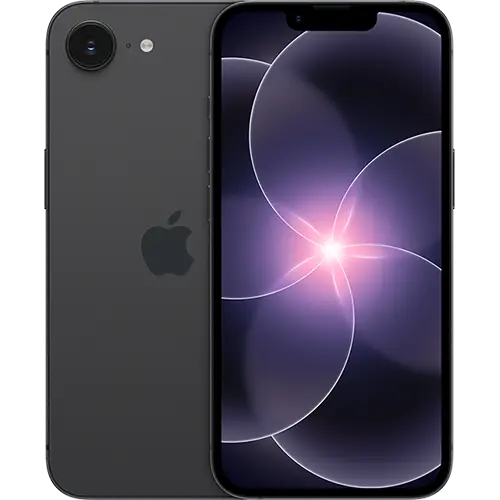
The iPhone 17e wins this slot because it drains battery slower during gaming than anything else we tested here. In our gaming drain test, it lost just 17% per hour — noticeably less than the iPhone 17 Pro (24%), the OnePlus 15 (23%), and the Honor Magic8 Pro (25%). If you play for a few hours daily, that difference adds up meaningfully across a week.
The efficiency comes from Apple's A19 chip running well within its limits. Wild Life Extreme scores a 3,884 best loop with 76.4% stability — lower peak performance than the Magic8 Pro or OnePlus 15, but the chip runs cool and consistent, which helps keep drain low — and to be clear, the A19 is still easily powerful enough for gaming.
Standby drain is also tight at 3% overnight, and video playback reaches just over 18.5 hours — decent but well behind the OnePlus 15's 46 hours or even the Pixel 9a's 26.5 hours.
Charging is slow, hitting 61% in 30 minutes via wired connection. The overall battery score sits below the database average, even if it did well on the gaming test. This is the right pick if gaming efficiency is your priority and you're already in the Apple ecosystem.
Related
Apple
iPhone 17 Pro
Apple
iPhone 17e
Pixel 9a
Nothing
CMF Phone 2 Pro
Honor
Magic8 Pro
OnePlus
15
Apple
iPhone 17 Pro Max
Honor
Magic V5
OnePlus
15R
Apple
iPhone 17
Nothing
Phone (3)
Apple