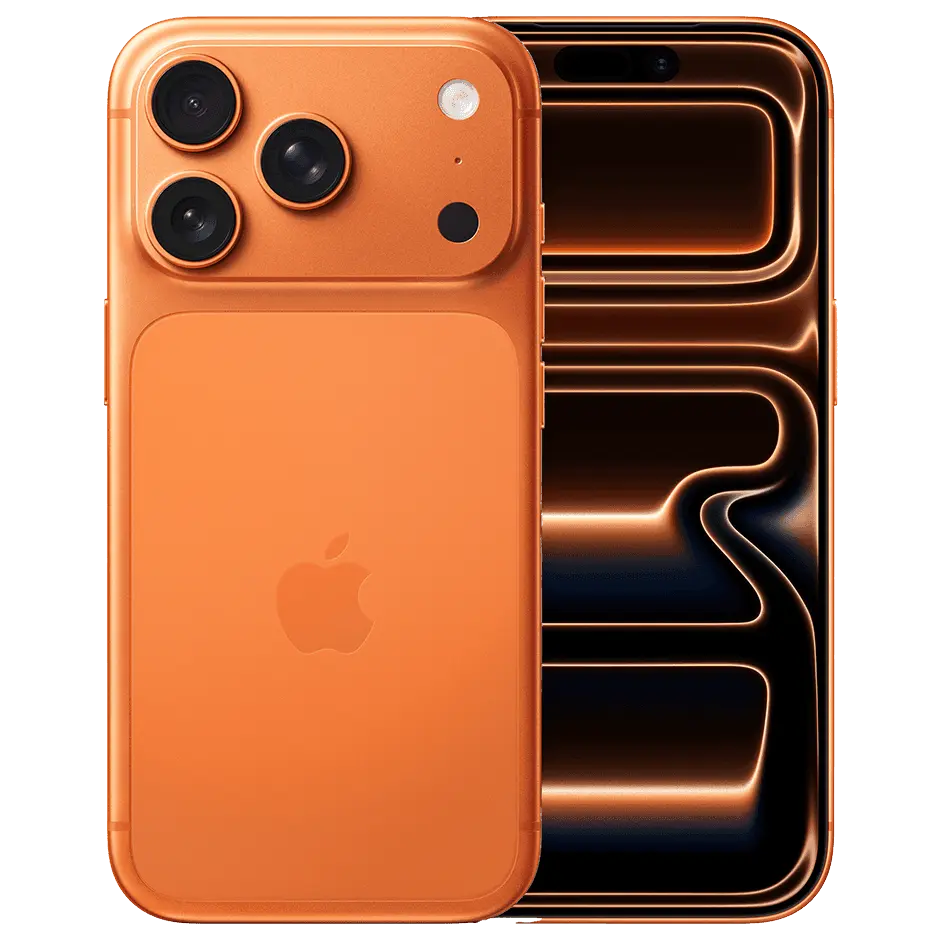
The iPhone 17 Pro Max is Apple's largest and most expensive mainline phone for 2026, priced at $1,199. It runs the Apple A19 Pro chip with 12GB of RAM, features a 6.9-inch display, and has a larger battery than its sibling, the iPhone 17 Pro. It has a triple camera system too, unlike the cheaper iPhone Air and iPhone 17.
The phone's strengths largely revolve around performance and camera quality. The A19 Pro delivers strong CPU and GPU results for 2026, and the camera system performs very well. Battery life is also solid. The display is accurate and sharp but falls short of competitors in brightness.
Here’s how the iPhone 17 Pro Max performed in our testing.
Design
Specifications
The iPhone 17 Pro Max measures 163.4 x 78 x 8.8 mm and weighs 233 grams. The frame is aluminum, paired with Ceramic Shield 2 on the front and Ceramic Shield on the back. Ingress protection is IP68.
At 233 grams, the iPhone 17 Pro Max is heavier than every other non-foldable flagship in its class. The Galaxy S26 Ultra weighs 214 grams in a nearly identical footprint (163.6 x 78.1 x 7.9 mm), the Pixel 10 Pro XL 232 grams, and the Honor Magic8 Pro 219 grams. The weight difference versus the Galaxy S26 Ultra is 19 grams, which sits at the edge of what most people notice by feel but becomes apparent over extended one-handed use.
The IP68 rating covers submersion to 1.5 metres for 30 minutes. The Honor Magic8 Pro and Xiaomi 17 Ultra carry IP68/IP69 ratings, which add high-temperature, high-pressure water jet resistance on top of submersion.
Display
The iPhone 17 Pro Max uses a 6.9-inch LTPO OLED panel at a 1320 x 2868 resolution, yielding 460 pixels per inch. The refresh rate ranges from 1Hz to 120Hz. Maximum manual brightness measures 857 nits, and minimum brightness drops to 1.02 nits — adequate for comfortable reading in a dark room. HDR peak brightness hits 2,976 nits, which is competitive but well below the Honor Magic8 Pro's nearly 5,000-nit peak and a little under the Pixel 10 Pro XL's 3,405 nits. Brightness stability is a weak point at 37.7% — the panel throttles after only a few minutes of displaying content at max brightness, unlike the majority of Android flagships these days. The Samsung Galaxy S26 Ultra and Honor Magic8 Pro both hold above 98% stability, essentially meaning they maintained their peak brightness for the entire 30-minute test.
Color accuracy is strong. The display has an average Delta E of 1.23, which means colors are close to their reference values, and the deviation is small enough that most users won't notice any inaccuracy. On top of a low average, it had a low max Delta E of 2.58, meaning even the worst-performing colors stay within a reasonable tolerance. sRGB gamut coverage is essentially complete at 99.97%, with Display P3 at 75.6%. The Samsung Galaxy S26 Ultra's Natural Mode sits at 2.75 average Delta E, which is noticeably less precise.
Touch latency averages 52.4ms. This is high compared to Android flagships — the Pixel 10 Pro XL measures 15.7ms, the Honor Magic8 Pro 17.2ms, and the Galaxy S26 Ultra 21ms. In practice, the iPhone's software optimization masks much of this latency, so most won’t find it to feel slow.
Display Gamut Coverage
Sustained Brightness
HDR Brightness
HDR Tone Mapping
Performance
The A19 Pro delivers a Geekbench 6 single-core score of 3,852 and a multi-core score of 9,872. These are strong results. Snapdragon 8 Elite Gen 5 devices like the Galaxy S26 Ultra and Honor Magic8 Pro match or exceed the multi-core figure but fall behind in single-core performance. The Pixel 10 Pro XL with its Tensor G5 scores is substantially lower across the board.
GPU performance in the 3DMark Wild Life Extreme stress test peaks at 5,828, dropping to 4,259 at its worst loop for 73.1% stability. Thermal management is good, highlighting the device’s new vapor chamber cooling system. The Galaxy S26 Ultra reaches a higher peak of 7,802 but collapses to 49.8% stability — a pattern of aggressive initial performance followed by heavy throttling. The Honor Magic8 Pro peaks at 6,963 with 64.1% stability. For sustained workloads like extended gaming sessions, the iPhone 17 Pro Max's combination of solid peak performance and relatively stable thermal behavior means it maintains higher average frame rates than devices that throttle more aggressively.
In Solar Bay, the phone scores 11,777 peak with 69.1% stability. Browser performance via Speedometer measures 41.8, behind the Galaxy S26 Ultra's 46, but well ahead of the Pixel 10 Pro XL's 15.6.
Performance Benchmarks
Bars positioned relative to the best score in our database.
Wild Life Extreme Stress Test
Camera
The iPhone 17 Pro Max carries four camera lenses, including a 48-megapixel f/1.8 main (1/1.28-inch sensor, 24mm equivalent), a 48-megapixel f/2.8 ultrawide (1/2.55-inch, 13mm), a 48-megapixel f/2.2 telephoto (1/2.55-inch, 100mm, 4x optical), and an 18-megapixel f/1.9 front camera (20mm). The overall camera system performs well. The iPhone 17 Pro shares identical camera hardware — the differentiation between the two Pro models is in display size and battery, not imaging.
Sharpness is a mixed story across lenses. The main camera's auto-mode sharpness is high in bright and mid-light conditions but relies on noticeable sharpening overshoot, particularly in low light. The front camera produces excellent overall sharpness results, maintaining strong detail from bright through dark conditions with controlled processing. The ultrawide performs well for its class too, and the telephoto delivers solid 4x results that drop off as expected at extended digital zoom levels — by 30x and 40x, detail falls substantially.
Compared to the Samsung Galaxy S26 Ultra, the iPhone 17 Pro Max generally produces lower sharpness scores on the main camera but with much less aggressive sharpening — Samsung's processing pushes overshoot percentages higher at many focal lengths, creating artificially crisp edges that can look harsh on close inspection. The Xiaomi 17 Ultra leads in overall sharpness, particularly at telephoto focal lengths, with relatively restrained processing. The Pixel 10 Pro XL shows high raw sharpness numbers but applies very heavy sharpening across all lenses.
Camera Sharpness
Main
The 48-megapixel main sensor with its 1/1.28-inch size and f/1.8 aperture captures good detail in bright conditions, with auto-mode sharpness remaining consistent from bright through mid-light. In low light, the processing pipeline compensates by increasing sharpening, which preserves perceived detail at the cost of some halo artifacts around high-contrast edges.
Color processing in auto mode is distinctly vivid. Saturation runs higher than reference values in bright light — Apple's pipeline intentionally boosts color intensity for a punchier look. Hue accuracy is reasonably good in bright conditions though, with moderate deviation. Moving to mid-light (100 lux, 4000K), the image looks a little warmer, with the camera not compensating white balance for the warmer lighting. This produces a warm cast, and skin tones drift further from their true values. In dark conditions (10 lux, 3000K), saturation drops, and hue errors increase significantly. Here, the camera partially corrects for the warm ambient light but not completely, with both incomplete white balance correction and sensor-level hue confusion contributing to the degradation. Skin tone accuracy is weakest in bright light auto mode, where the aggressive saturation boost exaggerates skin color differences.
Dynamic range on the main camera is pretty good, but not as high as the Samsung Galaxy S26 Ultra.
Color Profile
Dynamic Range
Ultrawide
The 48-megapixel ultrawide uses a smaller 1/2.55-inch sensor at f/2.8 — notably slower than the main lens. It delivers good sharpness in auto mode across conditions, maintaining usable detail even in low light.
Color handling in bright light follows the same vivid processing approach as the main camera, with saturation boosted. Hue accuracy is good in bright conditions, with low Delta H values. In mid-light, the same pattern of warm bias appears. In dark conditions, hue errors increase more sharply, driven primarily by white balance under-correction.
Dynamic range in auto mode, again, is solid, but there are some tonal inconsistencies due to the phone’s tone-mapping.
Color Profile
Dynamic Range
Telephoto
The telephoto uses a 48-megapixel 1/2.55-inch sensor at f/2.2 with a 100mm equivalent focal length, providing 4x optical zoom. At its native 4x, sharpness is high in bright light and holds well through mid-light. Low-light sharpness drops but remains usable, with sharpening overshoot staying low. At 5x and beyond, the camera interpolates from the telephoto sensor's optical output, and sharpness declines progressively — by 10x it's still reasonable, but by 20x–30x the results are soft. At the maximum 40x, detail is minimal.
Video stabilization on the telephoto is particularly effective, performing substantially better than the Pixel 10 Pro XL and Galaxy S26 Ultra telephoto cameras.
Color accuracy follows the same auto-mode pattern as the other lenses. In bright light, saturation is boosted, and skin tones show large deviation from reference. In mid light, hue errors are the highest of any lens on this phone in mid-light, suggesting both warm ambient under-correction and some additional sensor-level hue confusion from the smaller sensor at reduced light.
Dynamic range is a strength, and it substantially exceeds the Pixel 10 Pro XL's telephoto.
Color Profile
Dynamic Range
Front
The 18-megapixel front camera at f/1.9 with a 20mm equivalent focal length performs very well. Sharpness is strong across all lighting conditions, with good detail retention in low light and moderate sharpening overshoot. It records 4K 60fps video with effective stabilization.
Color processing in bright auto mode boosts saturation again, and skin tones show some deviation from reference — a consistent processing characteristic across all lenses. In mid-light, hue accuracy degrades, with the warm ambient under-correction being the primary driver. In dark conditions, the processing pulls back, and overall color error drops below the bright-light auto numbers, though hue accuracy still suffers from the low-light sensor limitations.
Dynamic range is excellent, with smooth compression. This substantially exceeds the Samsung Galaxy S26 Ultra and the Pixel 10 Pro XL's front cameras. For video calls and selfies in mixed lighting, the front camera maintains good exposure balance between faces and backgrounds.
Color Profile
Dynamic Range
Battery
The 5,088mAh battery delivers about 24 hours of continuous video playback at 200 nits. At maximum brightness, playback drops to just under 22 hours. These figures are close to the iPhone 17 Pro, which has a smaller 4,252mAh cell — the Pro Max's larger battery is offset by the larger display drawing more power. The Samsung Galaxy S26 Ultra lasts about 31.5 hours, and the Honor Magic8 Pro reaches 35.5 hours with its 7,100mAh battery. The Pixel 10 Pro XL lands at 23 hours with its 5,200mAh cell.
Gaming drain during the 3DMark stress test is 25% of battery — efficient relative to the workload. The iPhone 17 Pro uses 24%, the Galaxy S26 Ultra also 24%, and the Pixel 10 Pro XL 27%. The Honor Magic8 Pro matches at 25% despite having a larger battery, suggesting its more powerful GPU draws more energy. Standby drain overnight (8 hours) is 2% — consistent across the iPhone 17 lineup and matching the Pixel 10 Pro XL. The Galaxy S26 Ultra loses 10% in standby, and the Xiaomi 17 Ultra loses 9%.
In practical terms, the iPhone 17 Pro Max will last a full day of mixed use for most people, and lighter users may stretch into a second day. It doesn't match the multi-day endurance of the largest-battery Android flagships, but standby efficiency is excellent.
Battery Life
Charging
Wired charging is rated at 40W. In testing, the phone reaches 29% in 10 minutes and 67% in 30 minutes. The iPhone 17 Pro is slightly faster, possibly due to its smaller battery accepting a higher charge rate relative to capacity. The base iPhone 17, with the same 40W rating, hits 28% and 73% — faster to 30 minutes because its 3,692mAh cell fills more quickly in absolute terms.
Against some Android competition, the iPhone 17 Pro Max's wired charging is slow though. The Samsung Galaxy S26 Ultra with 60W charging reaches 34% in 10 minutes and 79% in 30 minutes. The Honor Magic8 Pro with 120W charging hits 30% and 81%. The Xiaomi 17 Ultra at 90 watts manages 32% and 77%.
Wireless charging at 25W delivers 20% in 10 minutes and 47% in 30 minutes. MagSafe magnetic alignment is supported. The iPhone 17 Pro is faster wirelessly (24% and 49%), again likely due to the smaller battery. Among competitors, the Galaxy S26 Ultra (also 25W wireless) reaches 18% and 44%.
Charging speed is adequate but not a strength. Users who need a quick top-up before heading out will get to two-thirds charge in half an hour on a wire, which is functional, but noticeably behind the fastest Android chargers.
Wired Charging Curve
Wireless Charging Curve
Speaker
The iPhone 17 Pro Max has one of Apple's most capable phone speakers. Bass extension was moderate, with a 21 dB drop from the mids to the bass band — unremarkable against similarly-priced flagships like the Pixel 10 Pro XL and Galaxy S25 Ultra. Where it pulled ahead was the high end, producing clear and well-extended treble with very flat response. Loudness was average at 74.6 dBA, below the Pixel 10 Pro XL and Galaxy S25 Ultra. Distortion was the weakest area of the speaker system at 8.9%, higher than both of those rivals and noticeably worse than the iPhone 17 Pro despite sharing Apple's flagship tier.
Speaker Frequency Response
Microphone
The microphone performs well, with a frequency response standard deviation that’s relatively flat capture across the frequency range. It’s better than the iPhone 17 Pro and the Galaxy S26 Ultra, and close to the iPhone Air (3.16 dB). In practice, this means voice recordings, video calls, and voice memos pick up speech clearly without exaggerating or dropping specific frequency bands.
Microphone Frequency Response
Other
Measurements
Specifications
Face ID averages 487.5ms to unlock — nearly half a second. This is typical for face unlock, but substantially behind fingerprint-equipped Android devices. The Samsung Galaxy S26 Ultra's ultrasonic fingerprint unlocks in 137.5ms, and the Honor Magic8 Pro in 170.9ms. There is no fingerprint sensor on any iPhone 17 model. The speed difference is perceptible — Android flagships feel faster to unlock — but Face ID's hands-free operation works well in contexts where touching the phone isn't convenient.
Data transfer via the USB-C 3.2 Gen 2 port is fast, with read speeds reaching 304MB/s and write speeds at 239MB/s. This is a significant advantage over the base iPhone 17 and iPhone Air, which use USB-C 2.0 and top out around 38MB/s for large files. The Galaxy S26 Ultra and Xiaomi 17 Ultra are faster though.
Conclusion
The iPhone 17 Pro Max delivers a well-rounded flagship experience with particular strengths in processing power, camera versatility, and microphone quality. The A19 Pro provides strong, thermally stable performance that holds up well under sustained load — a practical advantage over some Android competitors that peak higher but throttle harder. The camera system produces good results across all four lenses, with the front camera and telephoto standing out — color processing is punchy by design, but plenty of people prefer that. Battery life is solid for the display size, and standby efficiency is excellent.
The trade-offs are clear. Charging is somewhat slow, and users accustomed to Android fast charging will feel the difference. The display, while color-accurate, doesn't match competitors in brightness. Against the similarly priced Pixel 10 Pro XL, the iPhone wins on performance, camera, and charging but loses on display brightness. Against the Galaxy S26 Ultra, it trades blows — Samsung offers better display performance, faster biometrics, and longer battery life, while Apple counters with more stable GPU performance, better microphone quality, and stronger front camera results. The Honor Magic8 Pro leads in battery life, display, and performance, making it a formidable alternative for buyers outside Apple's ecosystem.
Related
Best iPhones
Apple
iPhone 17 Pro
Apple
iPhone 17e
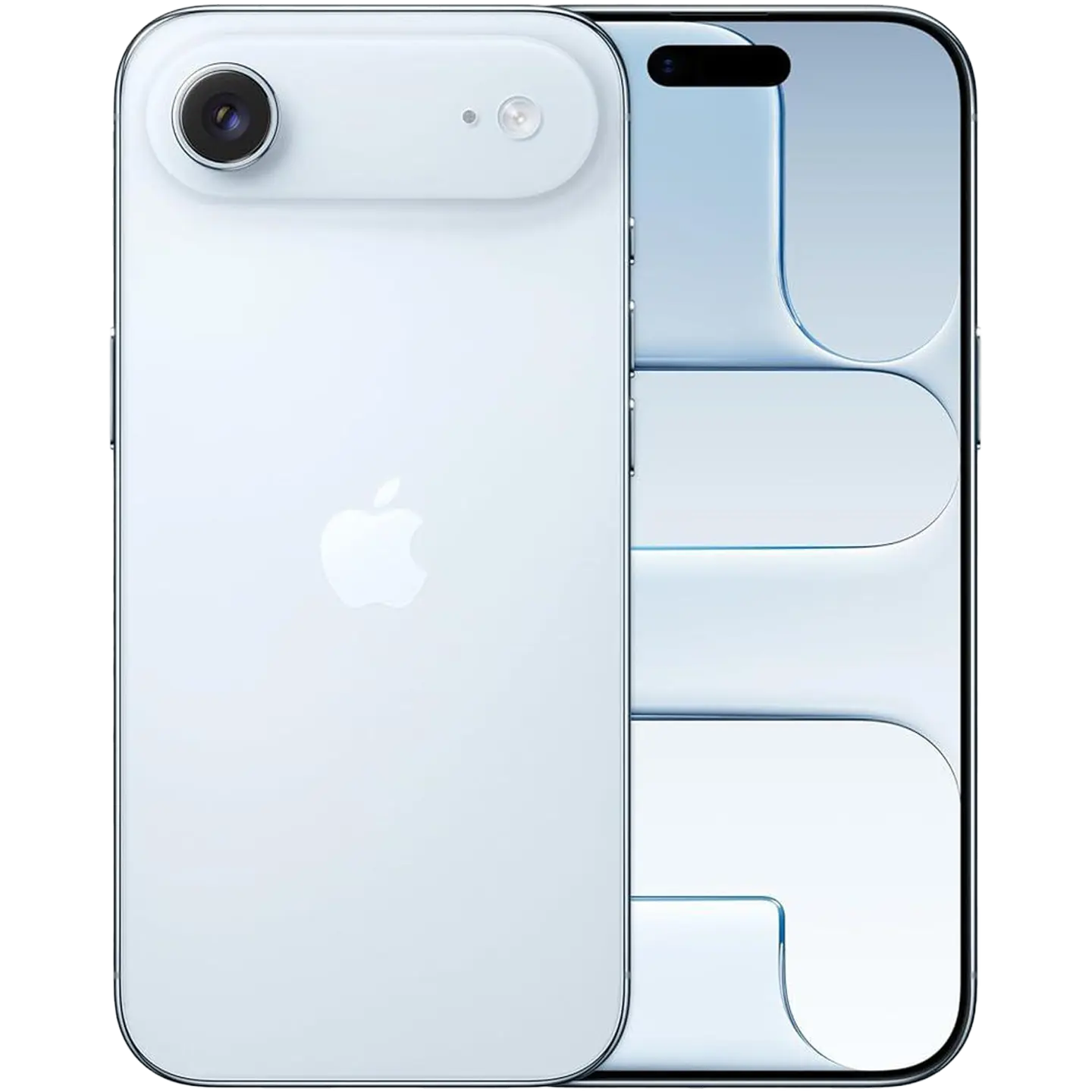
Apple
iPhone Air
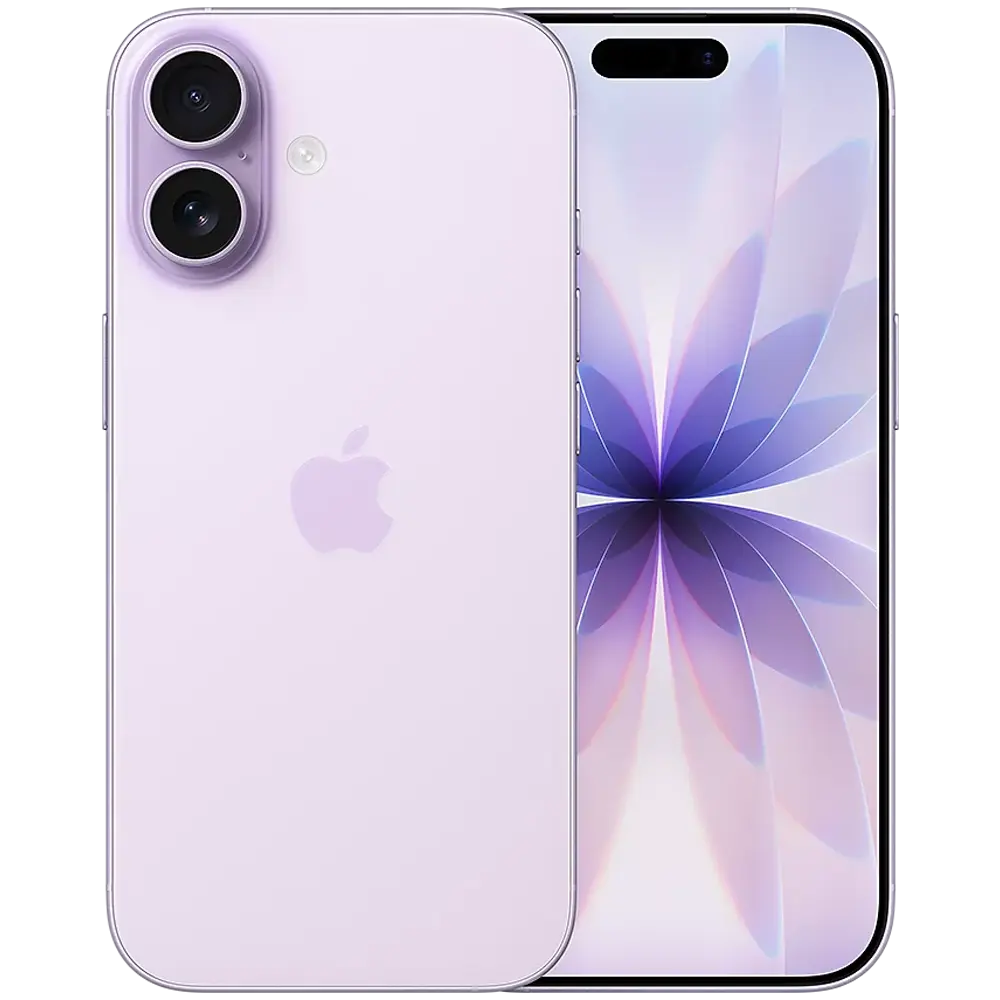
Apple
iPhone 17
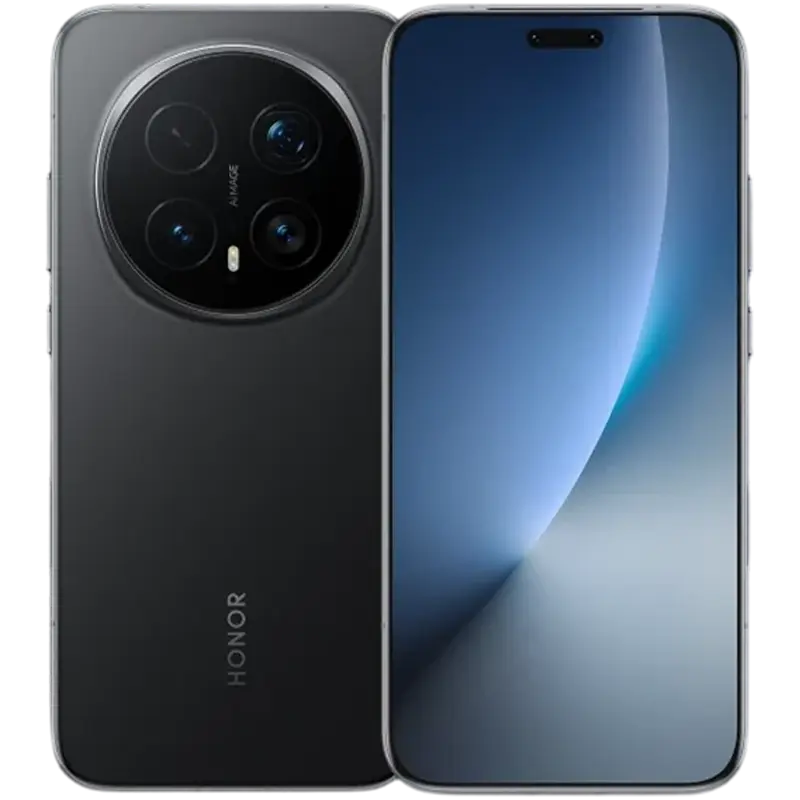
Honor
Magic8 Pro
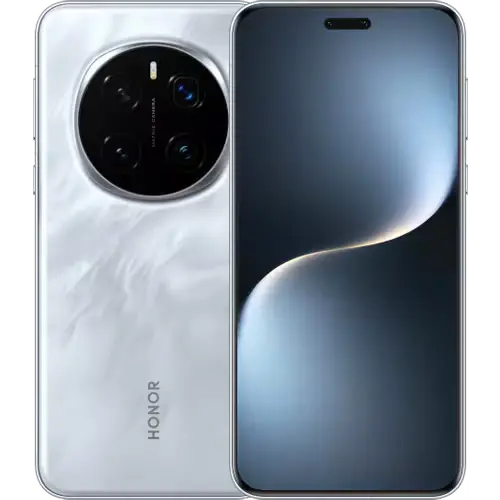
Honor
Magic7 Pro
Samsung
Galaxy S26+
Samsung
Galaxy S25 Edge

Samsung
Galaxy Z Flip 7