Best Camera Phones
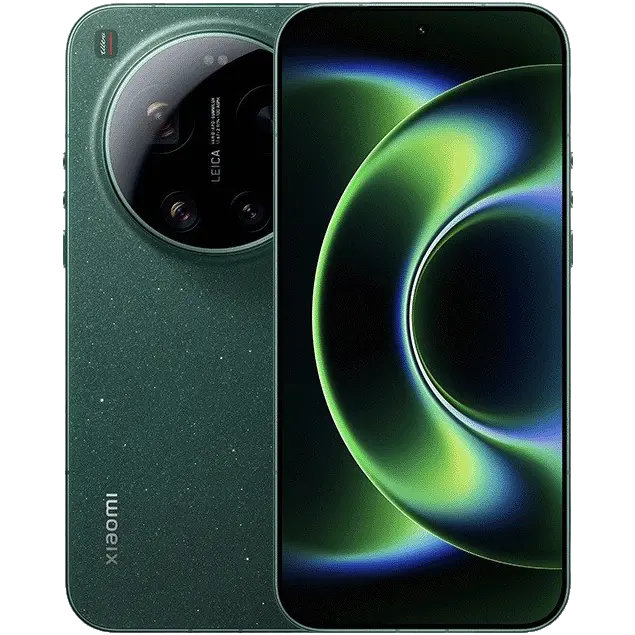
Xiaomi
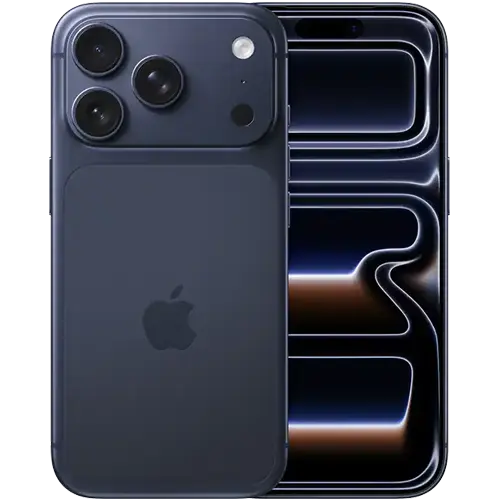
Apple
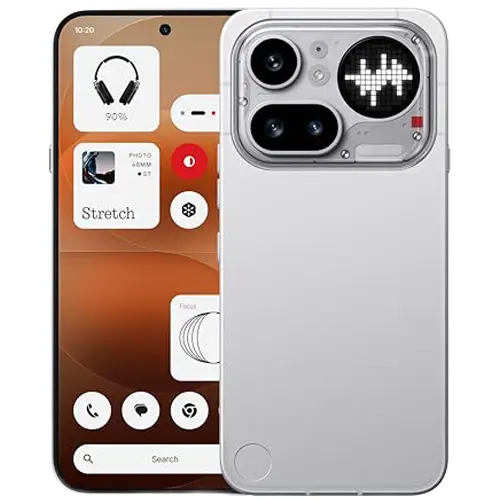
Nothing
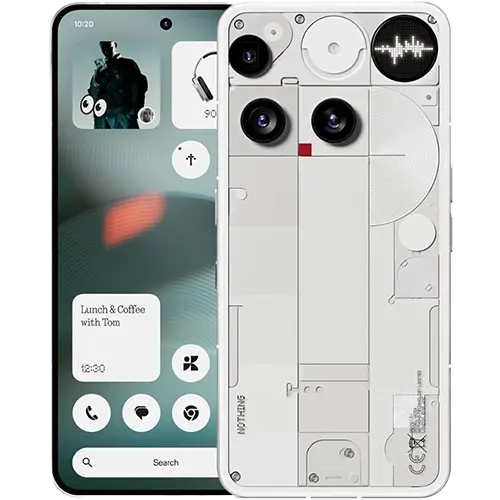
Nothing
17 Ultra
iPhone 17 Pro
Phone (4a) Pro
Phone (3)
Ranked #8 of 42
Ranked #4 of 42
Ranked #31 of 42
Ranked #25 of 42
Overall
Overall
Overall
Overall
Camera quality is one of the most decisive factors when choosing a phone, and the gap between good and great has never been narrower. Sensor size, computational processing, lens versatility, and low-light consistency all feed into how we score camera performance here. This list ranks phones by a weighted blend of rear camera capability, front camera quality, video features, and overall imaging flexibility.
The Xiaomi 17 Ultra takes the top spot with a formidable multi-lens array that excels across focal lengths and lighting conditions. Its large primary sensor and advanced processing pipeline deliver detail and dynamic range that consistently edge out the competition. For those in the Apple ecosystem, the iPhone 17 Pro earns its place with reliable color science, strong video performance, and tight hardware-software integration.
Budget-conscious buyers have solid options as well. The Nothing Phone (4a) Pro stands out under $500 with camera results that punch well above its price bracket, while the Nothing Phone (3) delivers excellent imaging for under $1,000. Selfie-focused users should look at the Honor Magic V5, which leads the pack for front-facing camera quality. Scroll through to find the best camera phone for your priorities and budget.
Best Camera Phone Overall

Across every lens, the Xiaomi 17 Ultra produces sharper images than any other phone we've tested. The telephoto in particular stands out — detail rendition in good light is higher than on the Nothing Phone (3), which itself is a strong telephoto performer, and the ultrawide holds up well where the Samsung Galaxy S26 Ultra's equivalent softens. That multi-lens consistency is what pushes the 17 Ultra to the top of our camera rankings.
The telephoto also handles zoom video cleanly handheld — stabilization is controlled enough for casual shooting, though it's not as locked-down as the best in class. The more significant limitation is dynamic range on the main lens, which sits in the bottom third of phones we've tested at this price. Highlight recovery and shadow detail lag behind what the Nothing Phone (3) and Samsung Galaxy S26 Ultra deliver, and that gap is noticeable in high-contrast scenes. Color accuracy on the main lens is also behind both of those phones — skin tones in particular read warmer than reference.
At $1,499, the 17 Ultra costs $500 more than the Galaxy S26 Ultra and $700 more than the Nothing Phone (3). The premium buys sharpness and telephoto depth that neither matches. It doesn't buy the most accurate or tonally rich main camera in the category.
Best iPhone Camera
The iPhone 17 Pro and Pro Max offer equivalent camera systems, and they both perform excellently. Handheld telephoto video on the iPhone 17 Pro is unusually stable — it leads every phone in our current database on that measure, and the gap over most competitors is substantial. That's the clearest differentiator here. Main and ultrawide sharpness are both high across lighting conditions, and the front camera resolves detail as well as any phone at this price.
Color accuracy is a limitation though. Main-lens color error in good light is noticeable, and the Nothing Phone (3), which is much cheaper, produces roughly half the color error on both main and telephoto lenses. The Xiaomi 17 Ultra, which ranks first overall for camera at $400 more, also edges the 17 Pro on telephoto hue accuracy. If color fidelity is the priority, those are meaningful gaps.
Dynamic range on the main lens is competent but not a standout — the Nothing Phone (3) captures a noticeably wider range in a single frame. The 17 Pro's camera case rests primarily on telephoto stability and consistent sharpness across all three lenses, which holds up well across varied conditions.
Best Camera Phone Under $500
The Nothing Phone (4a) Pro's main camera resolves fine detail more sharply in good light than any other phone in its price range we've tested — noticeably ahead of the Nothing Phone (4a) at $349, which trails it by a meaningful margin in main lens sharpness. The front camera is great too, delivering well over twice the sharpness of the standard (4a) in bright conditions, which matters for anyone who uses the selfie camera seriously. Video stabilization is also a step up — the (4a) Pro keeps handheld footage substantially more controlled than the base (4a), which is noticeably shakier.
Color accuracy from the main lens is middle-of-the-road. The Google Pixel 10a at the same price has lower color error — the (4a) Pro's color rendering is measurably less accurate, which will be visible in critical comparisons of skin tones and saturated hues. The Pixel 10a also has a sharper ultrawide. The (4a) Pro's telephoto sharpness is its weakest camera system, and the ultrawide, while improved over the predecessor, isn't class-leading.
Outside of camera, expect average-to-below-average performance in connectivity, charging speed, and biometrics. The 5,080mAh battery is capable, though not among the strongest.
Best Camera Phone Under $1,000
At $799, the Nothing Phone (3) sits among the top camera phones in our database, and the numbers that got it there are consistent rather than spectacular in any single area. Main lens and front camera sharpness are both high across lighting conditions, and the ultrawide holds detail well. The front camera is a particular strength — the Xiaomi 15T Pro at the same price produces a front camera image that is noticeably softer, roughly less than half the sharpness resolution we measured on the Nothing Phone (3).
That said, main lens stabilization is below average — handheld video, especially while moving, shows more shake than you'd expect from a phone at this price. The Xiaomi 15T Pro is meaningfully steadier in that area, and its telephoto sharpness is also ahead. Dynamic range on the main lens is middle-of-the-pack, which means high-contrast scenes lose detail faster than on phones like the iPhone 17 Pro.
Battery life sits around two days of typical use, which is solid, and the 65W charging gets you a substantial charge in 30 minutes. Display peak brightness reaches 1,602 nits in HDR, which is adequate but not a standout.
The Nothing Phone (3a) Pro at $499 scores comparably in overall camera performance, so if the camera is your only priority, that phone is worth a close look before committing to the price difference.
Related
Apple
iPhone 17 Pro
Nothing
Phone (3)
Nothing
Phone (4a) Pro
Xiaomi
17 Ultra
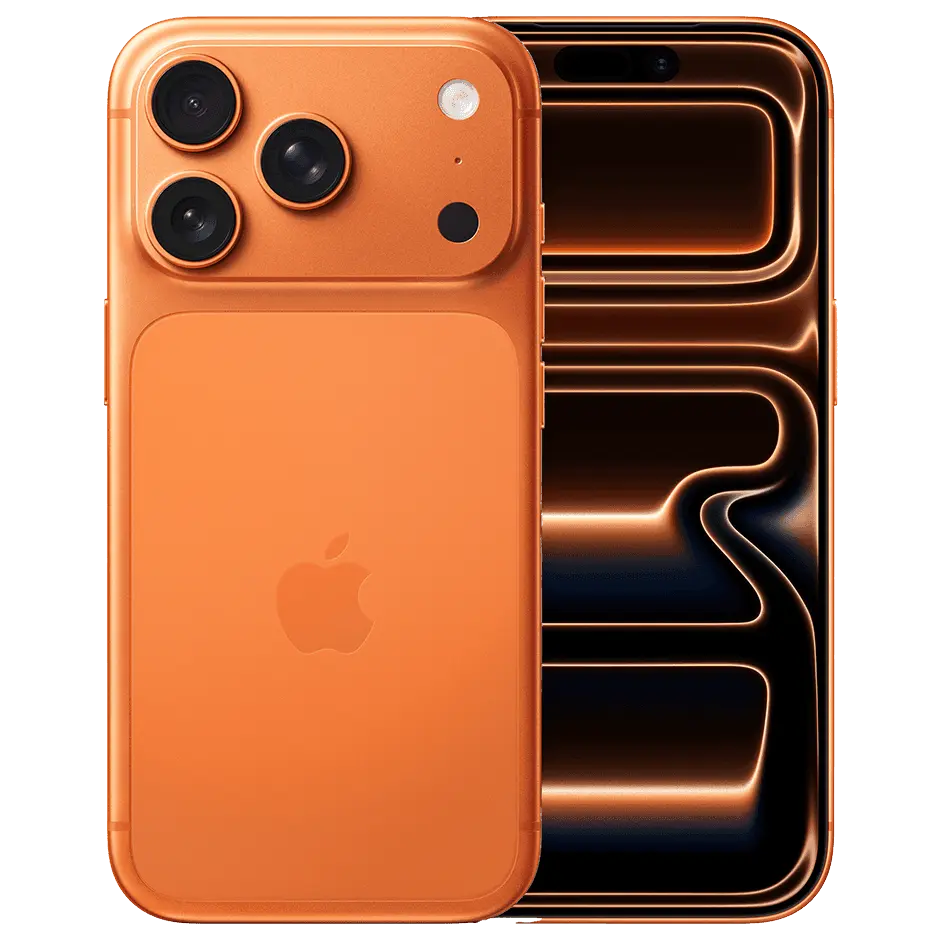
Apple
iPhone 17 Pro Max
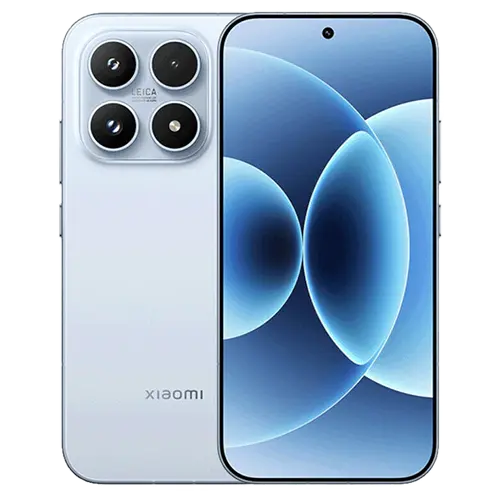
Xiaomi
17
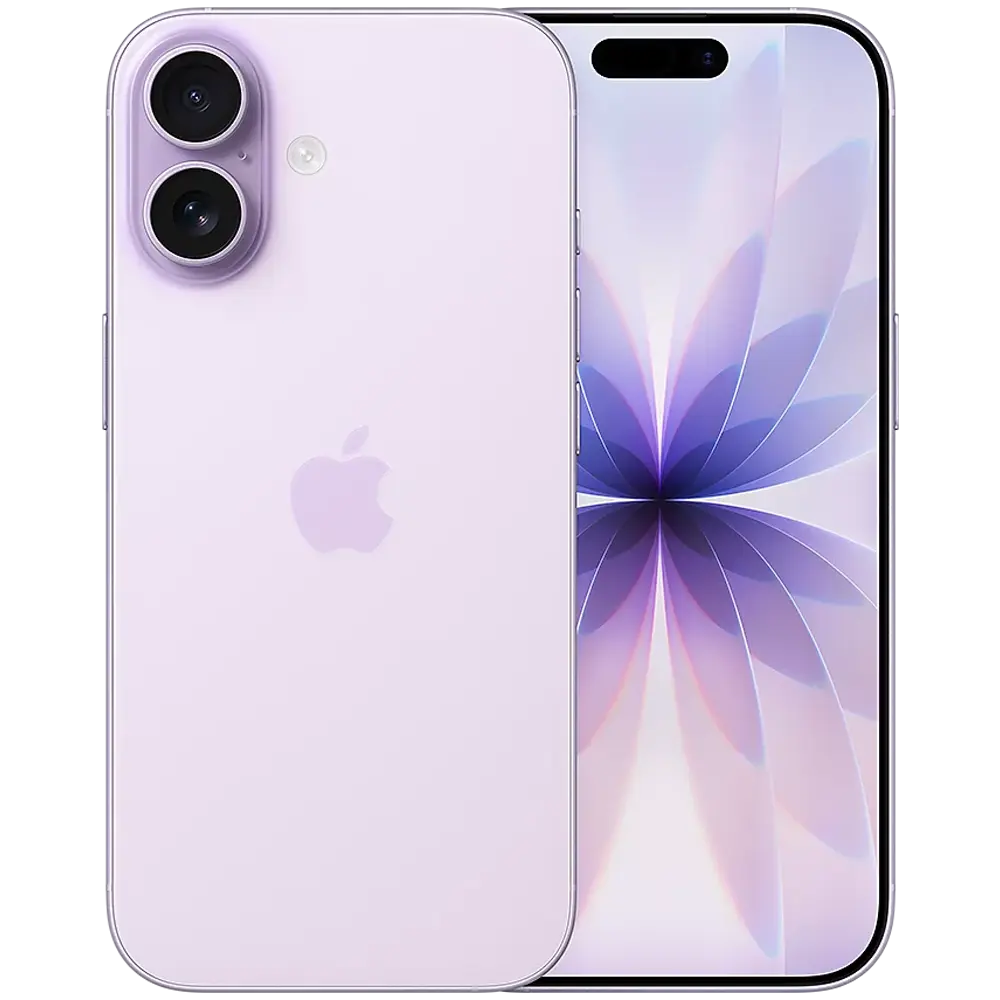
Apple
iPhone 17
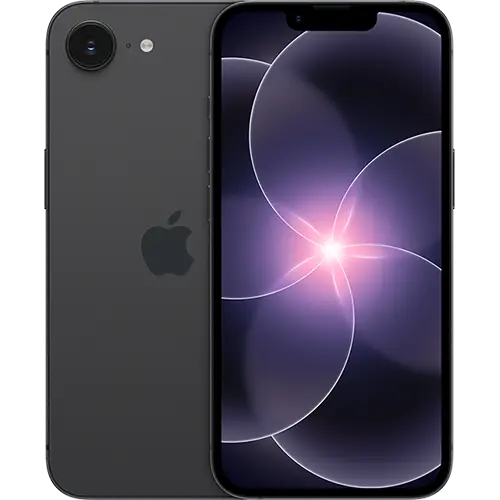
Apple
iPhone 17e
Xiaomi
15T Pro
Apple
iPhone Air
Nothing
Phone (4a)
Best Phone Displays