Best Phone Speakers


Samsung
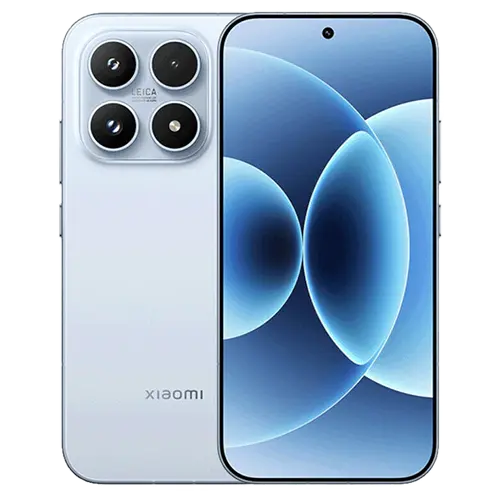
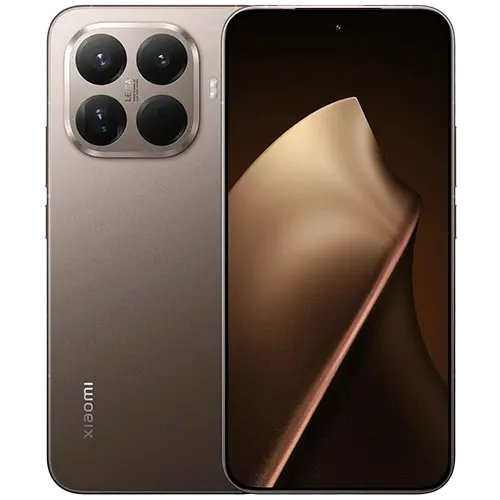
Xiaomi
Motorola
Nothing
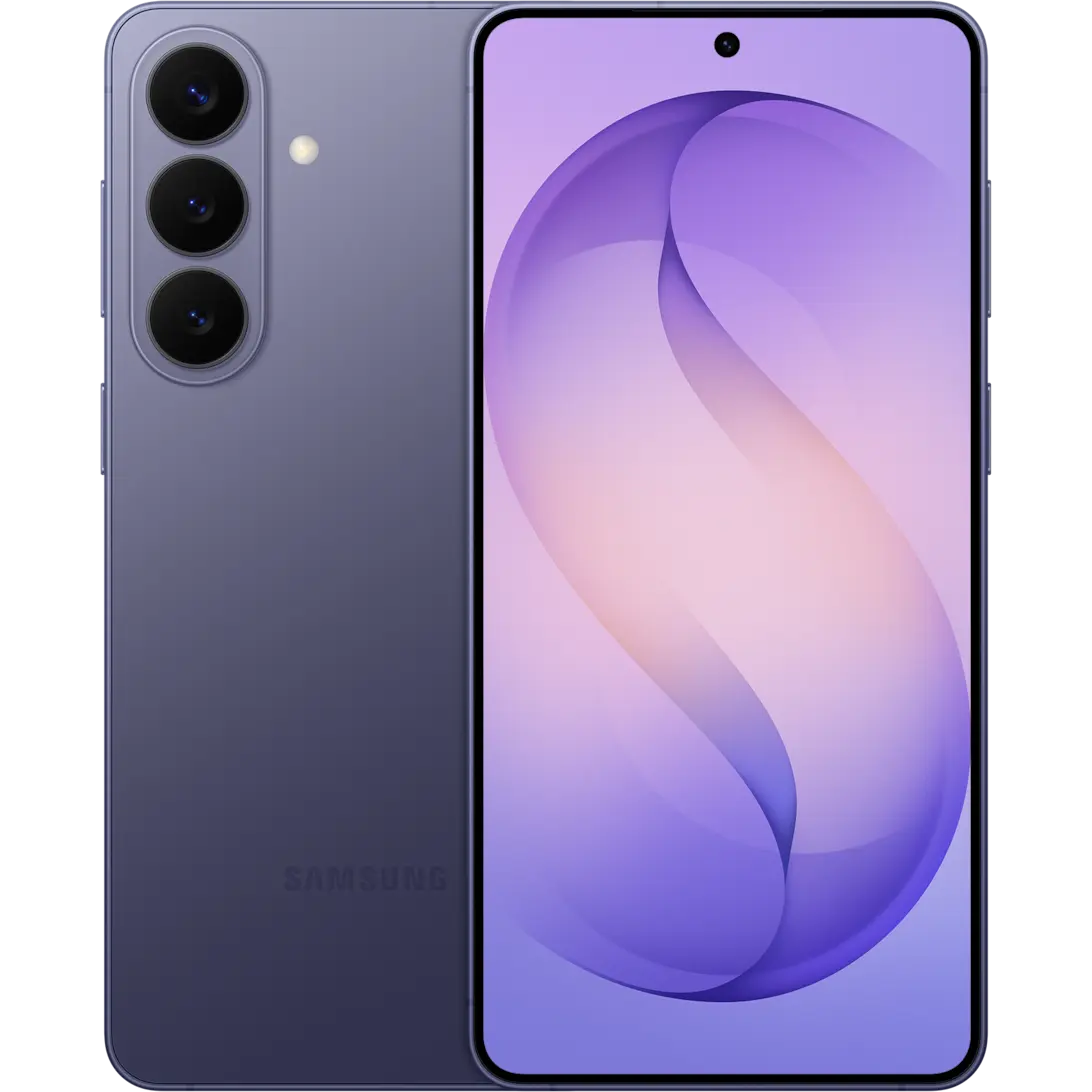
Galaxy S26 Ultra
17
Moto G Power (2026)
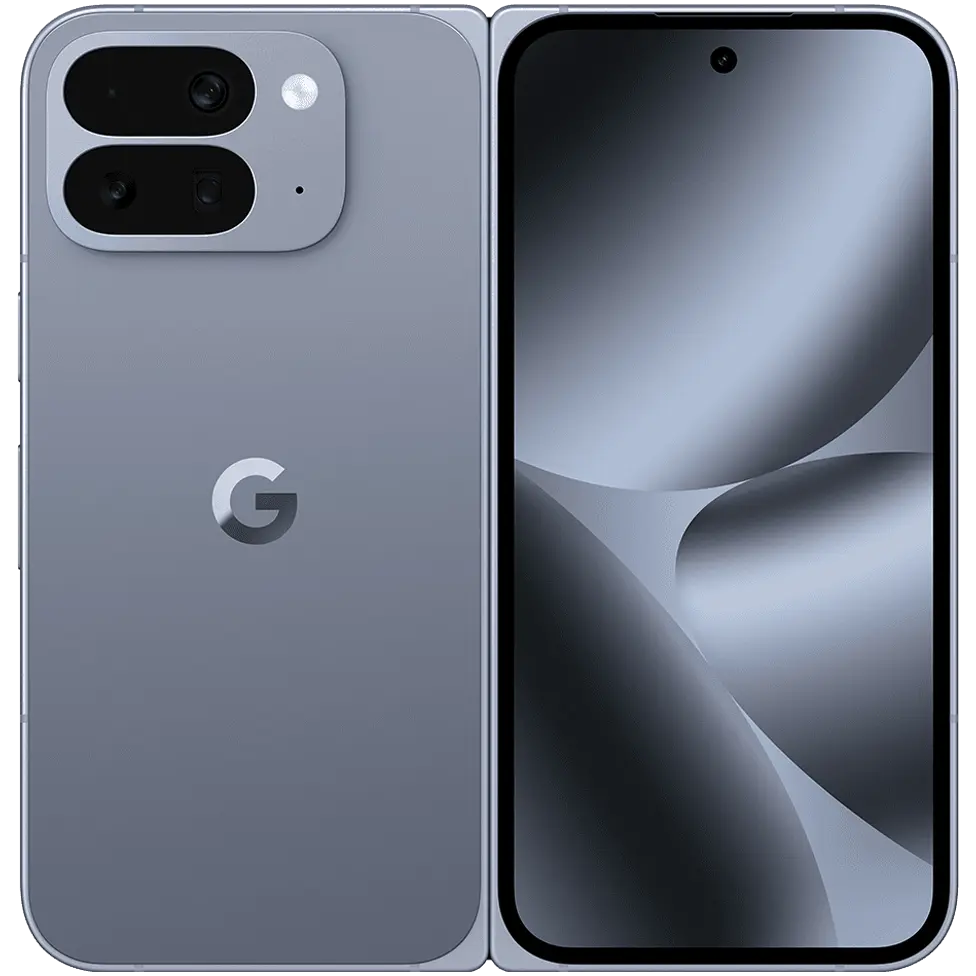
Pixel 10 Pro Fold
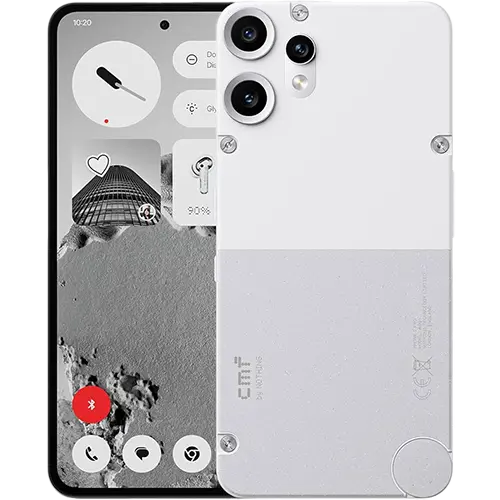
CMF Phone 2 Pro
Ranked #3 of 42
Ranked #12 of 42
Ranked #42 of 42
Ranked #33 of 42
Ranked #41 of 42
Overall
Overall
Overall
Overall
Overall
Phone speakers have improved dramatically, and the gap between a good and mediocre stereo setup can shape how you experience media, calls, and casual listening throughout the day. This list ranks phones by speaker performance, evaluating loudness, bass response, clarity across the frequency range, and stereo separation.
The Samsung Galaxy S26 Ultra takes the top spot overall, delivering a well-rounded speaker system that balances volume, low-end presence, and detailed mids without distortion at high levels. For listeners who prioritize bass specifically, the Xiaomi 17 stands out with notably fuller low-frequency output than most competitors. The Google Pixel 10 Pro Fold earns a slot for clarity, producing clean vocal reproduction and well-separated stereo imaging that suits podcasts, video calls, and dialogue-heavy content.
Budget-conscious buyers will find the Nothing CMF Phone 2 Pro in here as well, offering strong speaker quality for its price bracket. Whether you care most about sheer volume, tonal balance, or getting the best value, the rankings below cover a range of priorities and price points.
Best Phone Speaker Overall


At maximum volume, the Galaxy S26 Ultra reaches 75.3 dBA. That loudness advantage helps, but it isn't what separates this phone from the field. The S26 Ultra's cleanliness at high volume is where it pulls ahead — distortion stays lower than both the Xiaomi 15 Ultra and the iPhone 17 Pro, which means audio holds together when you push the volume up rather than turning harsh. Frequency response across the audible range is well-controlled, producing a reasonably balanced sound without the exaggerated peaks that make some phone speakers fatiguing.
The Xiaomi 15 Ultra does have a genuine advantage in bass extension — it reaches lower frequencies before rolling off — so if deep bass is a priority, that difference is audible. The S26 Ultra's bass is adequate but not exceptional.
Battery life reaches just over 31 hours of video playback, which is solid, though several phones in this price range run longer between charges.
Best Phone Speaker for Bass
The Xiaomi 17 extends bass response lower than any other phone in our current database — significantly deeper than both the Samsung Galaxy S26 and Google Pixel 10 Pro, which roll off considerably higher in the frequency range. For music with prominent low-end — hip-hop, electronic, certain rock — the difference is audible and meaningful.
That tuning comes with trade-offs though. The Xiaomi 17 produces noticeably more distortion at high volumes than the Galaxy S26, and maximum loudness is lower than what most of its competitors manage. The frequency balance across the midrange and treble is also more uneven, which means the phone sounds fuller on bass-heavy tracks but less neutral overall. If you listen to podcasts, classical, or acoustic music, the coloration may not suit you.
Peak brightness reaches 3,583 nits in HDR content, which puts the display among the top handful of phones we've tested. Charging is fast — 100-watt wired means a full charge takes well under an hour. Battery life in gaming falls in the average range, and the microphone ranks near the bottom of our comparison set, so voice recording and call quality on the go are weak points.
For bass-focused listening, nothing else in our testing currently matches it.
Loudest Phone Speaker
At 80.3 dB, the Moto G Power (2026) is the loudest phone speaker we've measured across our current database. If your primary need is filling a space with sound without a Bluetooth speaker nearby, this phone does that better than anything else we've tested.
Of course, loudness doesn’t necessarily translate to a great listening experience. Distortion at max volume is high — nearly four times the distortion level of the Galaxy S26 Ultra, and meaningfully worse than the Nothing Phone (4a) at similar volumes. The low-end response is limited too — bass starts rolling off well above what most phones manage, so music sounds thin at the bottom. The overall speaker score sits near the bottom of our database. This is a phone tuned, or simply built, to go loud rather than to sound balanced or clean.
In contexts where loudness is genuinely the requirement the G Power (2026) delivers. For general audio quality, better options exist at this price.
Best Phone Speaker for Clarity
The Pixel 10 Pro Fold produces cleaner audio at volume than any other phone we've tested, with distortion that stays low even when pushed to its limits.
Where the Fold separates itself from the Pixel 10, which sits right behind it, is low-end extension. The Fold reaches meaningfully lower frequencies before rolling off — the Pixel 10's bass drops out much earlier, which matters for music with any real low-end weight. The Samsung Galaxy S26 Ultra also beats the Fold on distortion and plays louder, so listeners who want both clarity and output have a strong alternative at a lower price.
The Fold's overall speaker score sits in the middle of our database, so this isn't a recommendation for raw audio performance. It's specifically the distortion control and frequency balance that put it here. Battery life is below average for the category, and overall performance trails most flagship competitors.
Best Phone Speaker Under $500
The CMF Phone 2 Pro isn't the loudest phone under $500 — the Moto G Power (2026) gets louder — but it's significantly cleaner. The Moto G Power's distortion at high volume is more than double the CMF's, which means the CMF holds together at volume in a way the Moto doesn't. Frequency response is reasonably balanced across the midrange, and the result is a speaker that sounds controlled rather than strained when pushed.
The Nothing Phone (3a) at $379 is louder and similarly balanced in frequency, but its distortion at high volume is nearly twice the CMF's. For a speaker guide focused on overall audio quality rather than raw output, cleanliness carries real weight, and that's where the CMF separates itself from both rivals.
Outside of audio, the picture is less favorable. Battery life sits around 23–24 hours of video playback, which is adequate but not competitive with the better phones in this price range. Charging is slow at 33W. Performance is modest — fine for everyday tasks, not suited to anything demanding. Connectivity and microphone quality both rank near the bottom of our database. This is a narrow recommendation — if the speaker is the priority at this price, the CMF Phone 2 Pro delivers. Otherwise, the trade-offs add up.
Related
Pixel 10 Pro Fold
Motorola
Moto G Power (2026)
Xiaomi
17
Nothing
CMF Phone 2 Pro
Samsung
Galaxy S26 Ultra
Samsung
Galaxy S26+
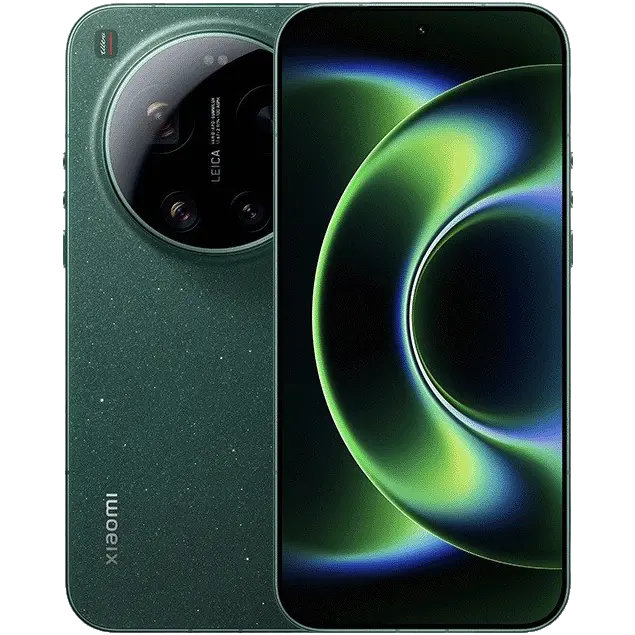
Xiaomi
17 Ultra
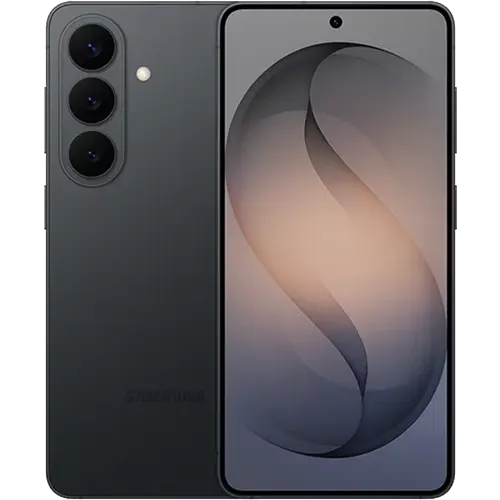
Samsung
Galaxy S26
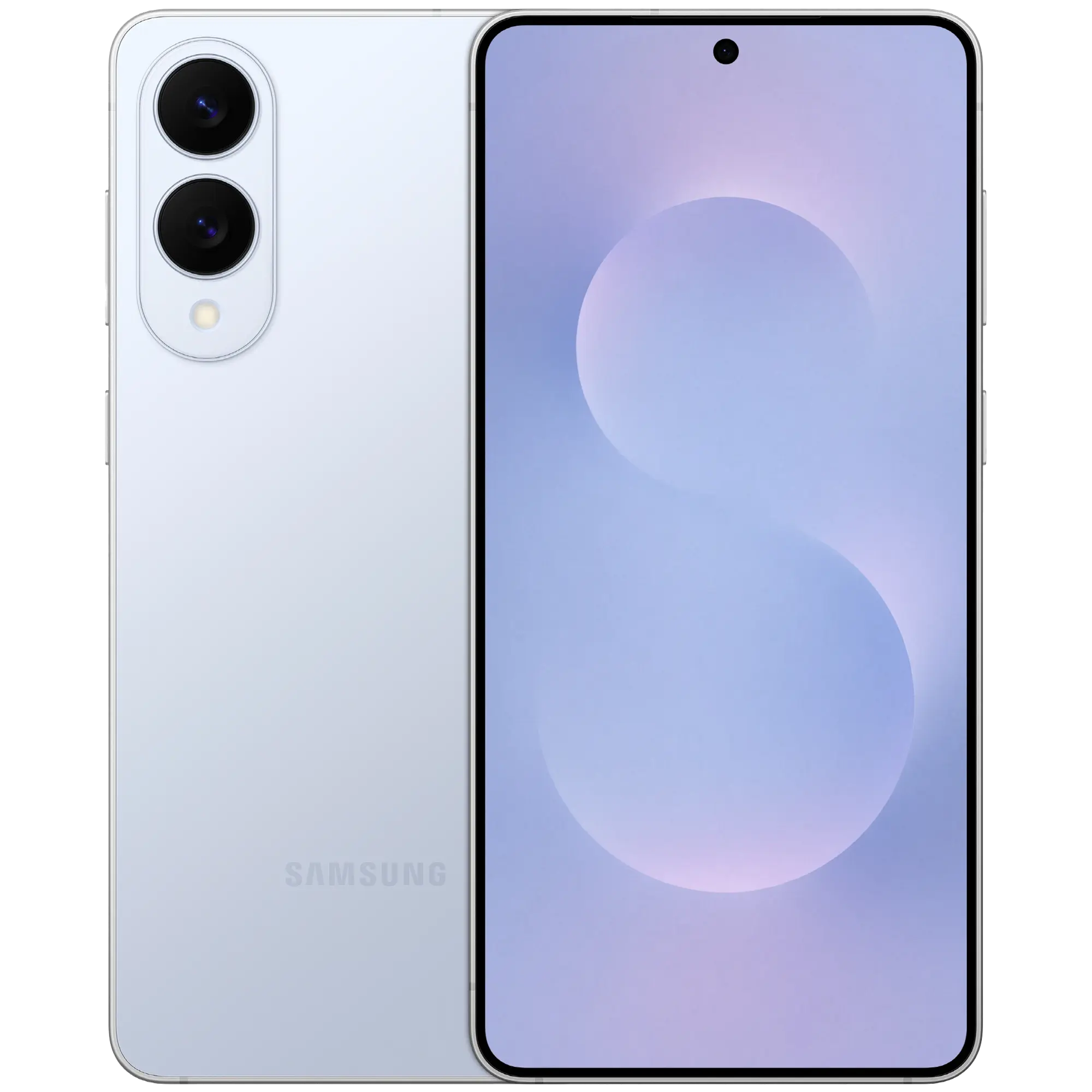
Samsung
Galaxy S25 Edge
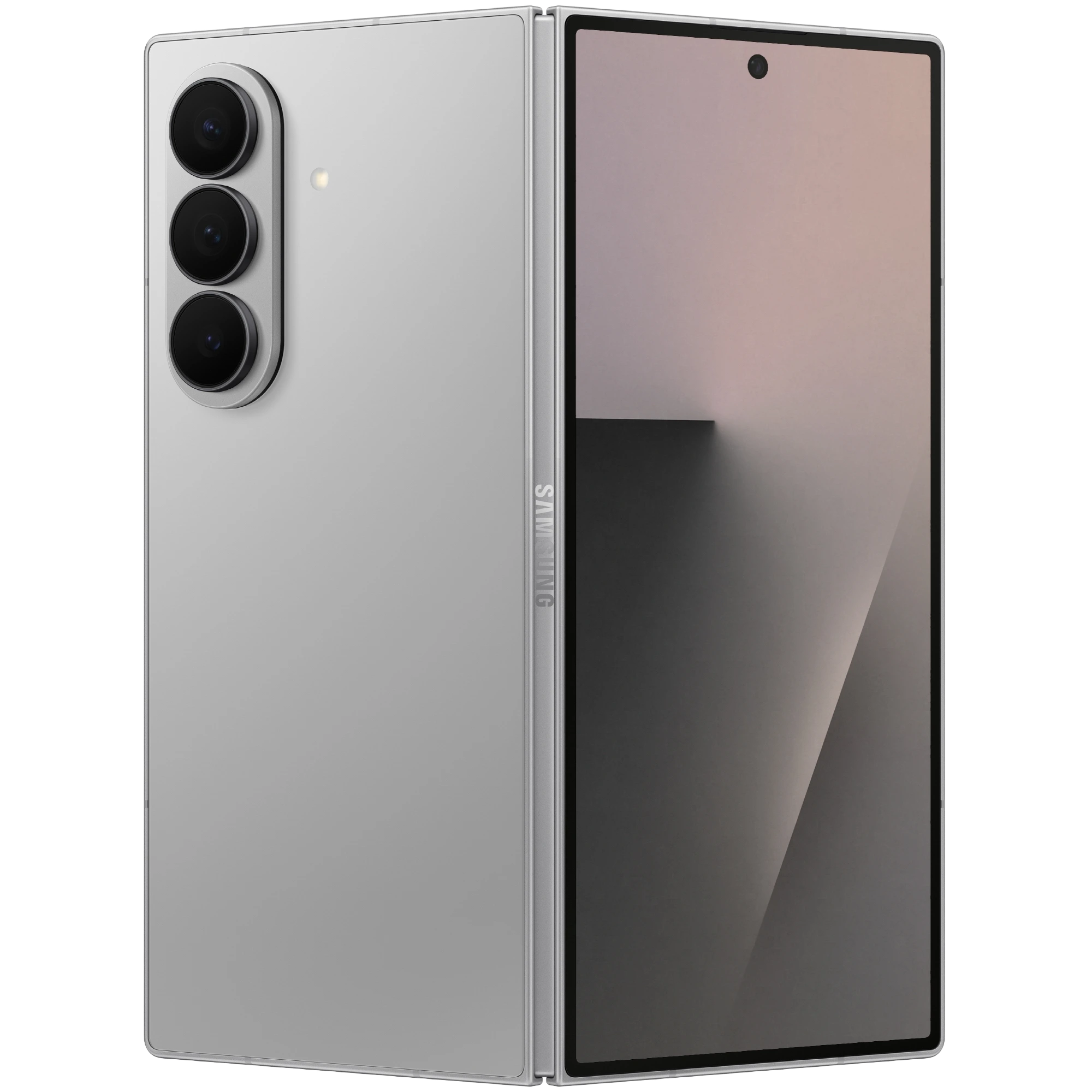
Samsung
Galaxy Z Fold 7

Motorola
Razr Ultra (2025)
Xiaomi